Updated 16 October 2026
Leakage and uneven cooling usually come from a relationship between the plate, the coolant loop and the assembly. Checking only the outside appearance rarely identifies the real cause.
When leakage appears
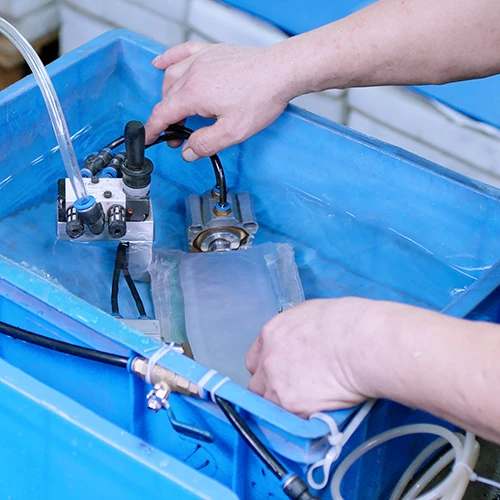
First separate an external joint leak from a leak through the plate body. Check the port, fitting, seal, tube end, welded or brazed boundary and any plugged opening. Confirm the test medium and pressure because an installation test can produce a different result from the agreed factory method. Record the exact location before changing the assembly.
Check the operating conditions
Pressure spikes, thermal cycling, incompatible coolant, incorrect seals and trapped air can change the loading on the fluid boundary. Compare actual temperature, pressure, coolant concentration and connection torque with the approved requirement. Do not increase pressure beyond the agreed test condition as a substitute for diagnosis.
When flow is uneven
Uneven cooling can be caused by the channel route, blocked passages, incorrect inlet and outlet connections, air pockets, manifold imbalance or a heat source that does not match the design location. Measure flow at the plate and review the temperature at several points on the contact area. A single outlet temperature cannot show distribution across the plate.
Review the assembly and the plate together
- Confirm the inlet and outlet orientation.
- Check that hoses and fittings do not restrict the port.
- Verify the contact surface, thermal interface material and mounting torque.
- Check that the coolant is clean and the loop has been vented.
- Compare the installed plate with the approved drawing revision.
Prevent repeat problems at sample approval
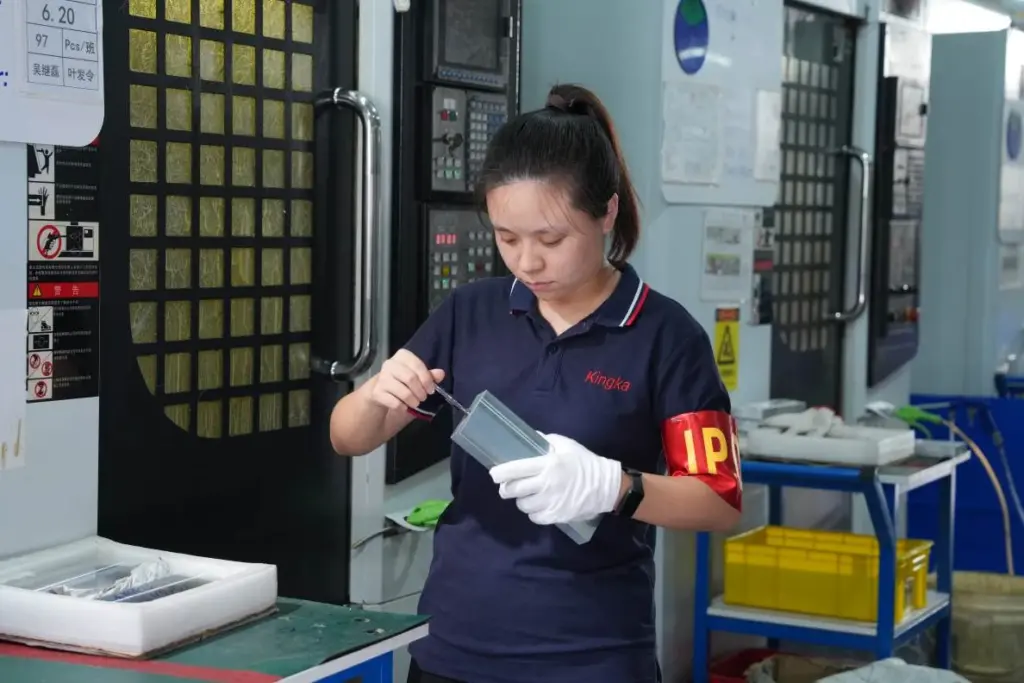
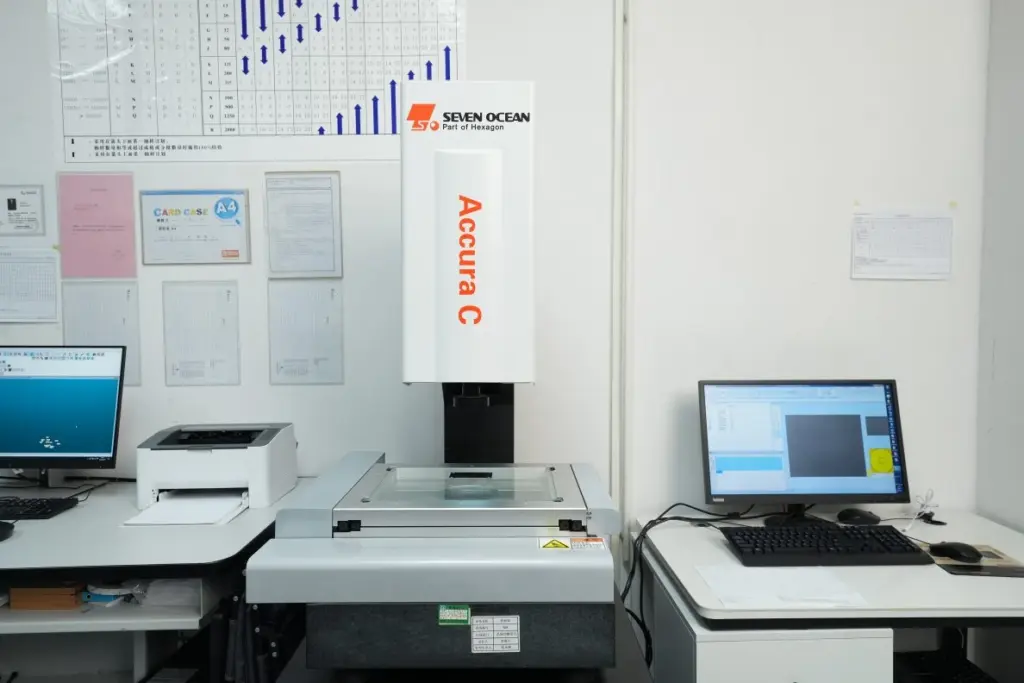
Define the leak method, pressure, hold time, flow condition, flatness and thermal test setup before approving the sample. Keep the drawing, inspection record and installation instructions linked to the same revision. If the issue starts with an incomplete drawing, use the custom development route to review the fixed dimensions and open risks before production.
Review the Embedded Tube Cold Plate example, read the thermal manufacturing route or send the problem details to SUNENG.