Updated 16 October 2026
A liquid cold plate should be selected from the heat source, installation envelope and coolant loop together. Plate size alone does not tell you whether the solution will meet the temperature, flow or pressure-drop limits of industrial power equipment.
Start with the heat and mechanical envelope
Record the heat load, the number and location of heat sources, the permitted component temperature and the available mounting area. The plate also needs to fit around fasteners, busbars, sensors, covers and service clearances. A cold plate that performs well in isolation can still fail to fit the finished assembly.
- Heat load and duty cycle
- Heat-source footprint and mounting pattern
- Maximum plate length, width and thickness
- Flatness and surface-finish requirements at the contact face
- Inlet, outlet and hose or fitting constraints
Match the construction to the project
An embedded tube cold plate can be a practical route when the required flow path and plate geometry are compatible with tube forming and groove assembly. A machined-channel plate may be considered when the channel layout or mounting features need more direct machining. Brazed and friction-stir-welded constructions can suit other geometries and sealing requirements. The right choice depends on thermal, mechanical, production and validation requirements together.
See the Embedded Tube Cold Plate example and the heat sink and liquid cold plate manufacturing page for the information currently available from SUNENG.
Check the coolant loop before fixing the channel design
Provide the coolant type, operating temperature, available flow, pump pressure and acceptable pressure drop. The channel route should be reviewed with the pump and heat exchanger rather than treated as a separate drawing exercise. Coolant compatibility, corrosion risk, trapped air and drainability may also affect the material and connection design.
Define how the sample will be accepted
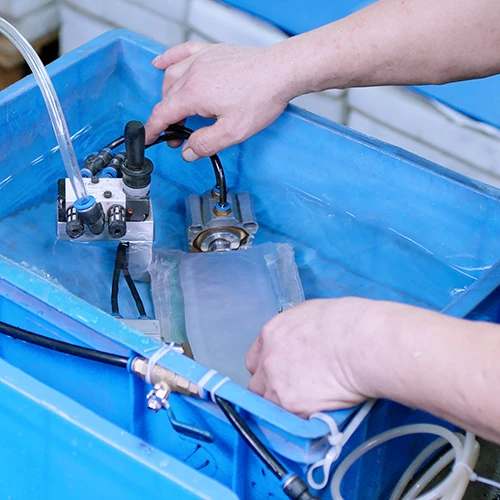
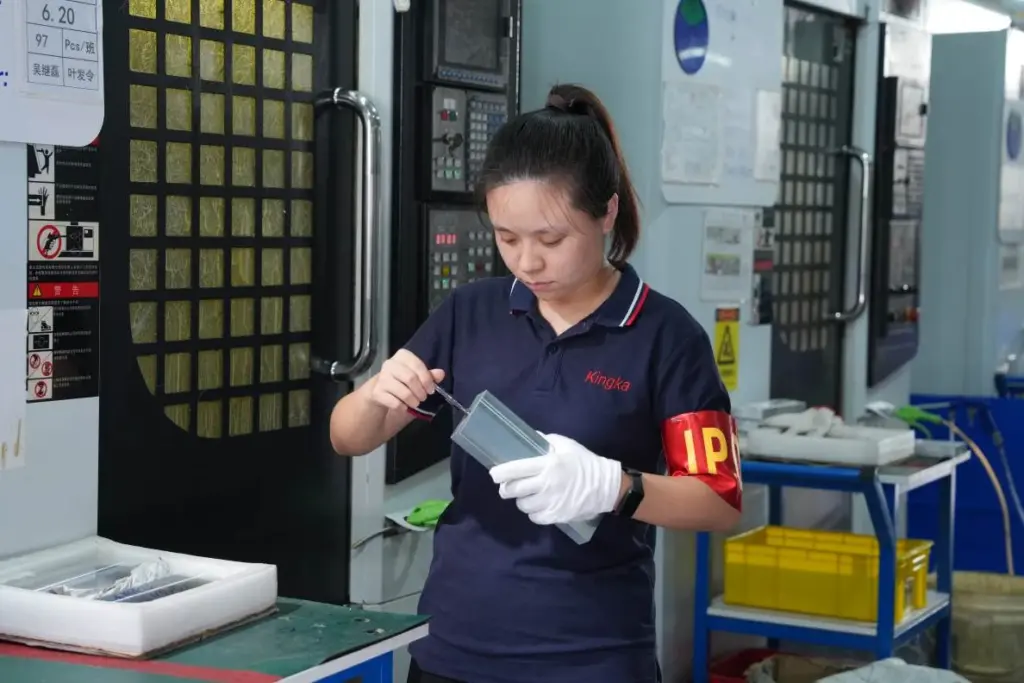
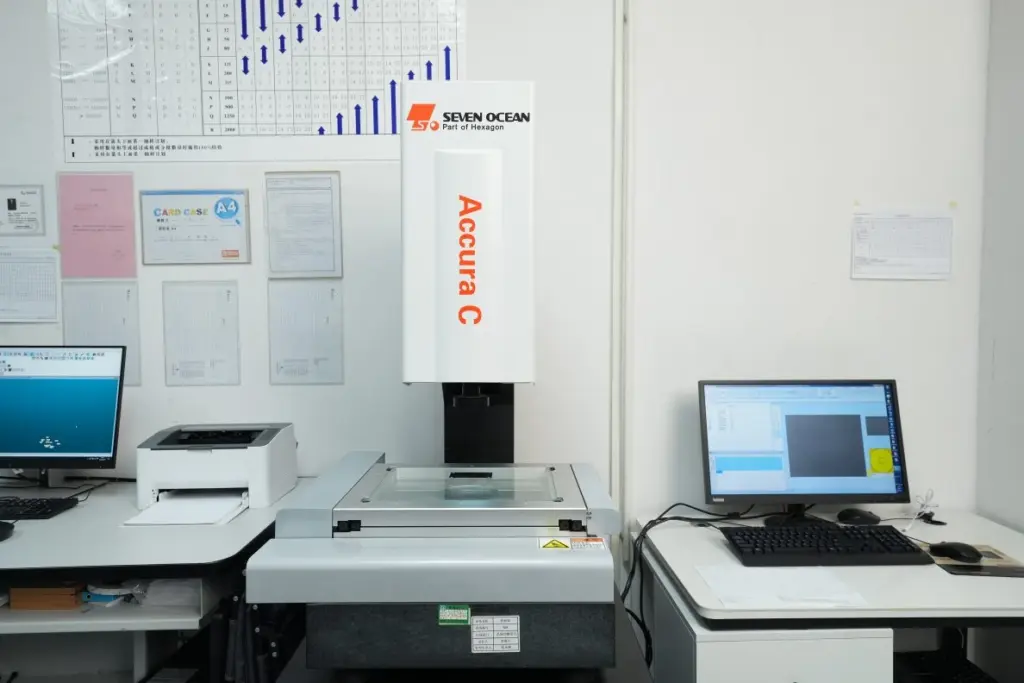
Before sampling, agree which dimensions, interfaces and performance checks are critical. Depending on the project, the review may include dimensional inspection, surface flatness, pressure or leak checks, flow and pressure-drop checks, cleanliness and thermal testing. The method, test condition and pass criteria must be confirmed for the actual requirement.
What to send for a useful review
Send the drawing or 3D model if available, heat-source map, coolant information, mounting details, quantity, target schedule and required evidence. If the drawing is incomplete, mark the dimensions that cannot change and identify the open decisions. Use the OEM/ODM development route or send the requirement to SUNENG.