Updated 16 October 2026
A heat sink is selected by the heat source, airflow, available space, mounting interface and production requirement. Fin appearance alone does not show whether the assembly will keep the component within its operating limit.
Start with the thermal boundary
Provide the heat load, duty cycle, allowable component temperature, ambient temperature and the thermal interface between the component and the sink. For forced air, include airflow direction, velocity or fan data and the permitted pressure drop. For natural convection, installation orientation and clearance around the fins become important.
Choose a construction that fits the requirement
Extruded and skived fin sinks can suit different combinations of standard geometry, fin density and production quantity. Bonded or assembled fins may be considered where the envelope or fin arrangement needs another route. CNC machining can add mounting features, pockets, interfaces and small-batch geometry. The final process should follow the drawing, quantity and acceptance requirements.
Check the mechanical details
- Component footprint and hole pattern
- Base thickness and contact flatness
- Fin height, spacing and cleaning access
- Fastener, clip, spring or adhesive interface
- Envelope, weight and clearance to neighbouring parts
Ask how the result will be verified
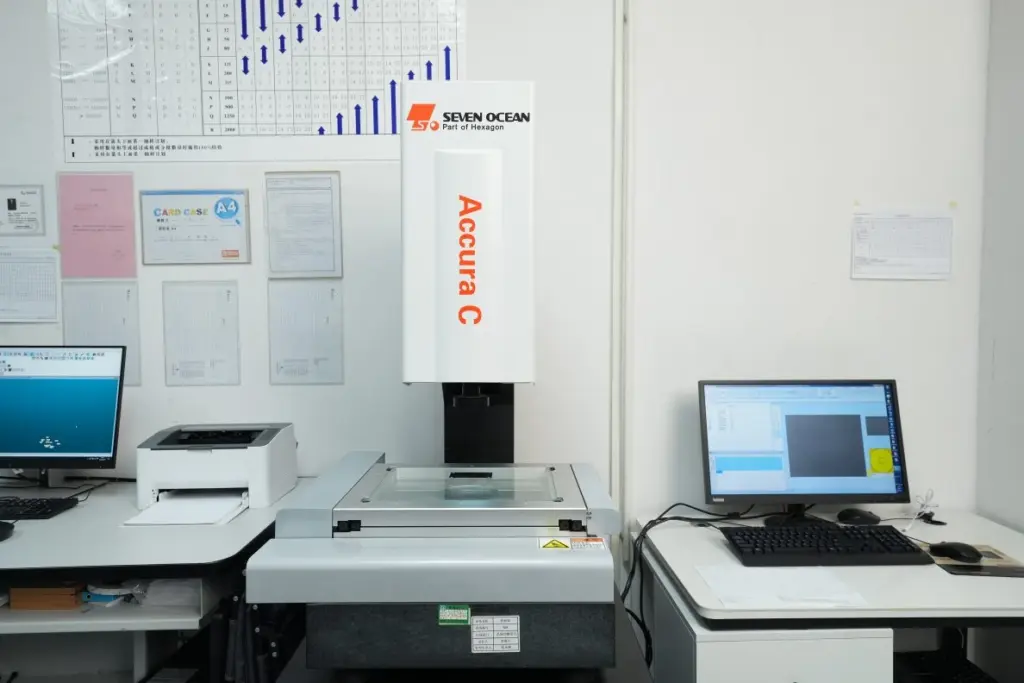
Dimensional inspection confirms whether the part follows the drawing. Thermal testing requires a defined heat input, interface material, airflow, ambient condition and measurement method. If the sink is part of a larger enclosure, the test setup should represent the installation closely enough to support the decision.
Make a useful custom enquiry
Send the component drawing, heat load, ambient condition, airflow information, mounting details, material preference, quantity and surface requirements. Mark which values are fixed and which can change. SUNENG can review heat sinks and liquid cold plates through the same thermal manufacturing route, with development support available through OEM/ODM.