Updated 16 October 2026
A liquid cold plate can have the right channel layout and still perform poorly if the contact surface does not mate with the heat source. Flatness, surface condition, mounting pressure and interface material should be treated as a connected thermal-mechanical requirement.
Why the contact face matters
Small gaps between the plate and the heat source add thermal resistance. The result can be uneven temperature, higher interface material thickness or mounting stress that is difficult to reproduce from one assembly to the next. The required condition depends on the mating parts and installation method, so a generic value should not replace an agreed drawing requirement.
Separate the critical area from the rest of the plate
Identify the actual heat-source footprints and the fastener or support points around them. The critical flatness and finish may apply to a defined contact zone rather than every outside surface. This distinction keeps the inspection meaningful while protecting the dimensions that affect assembly.
- Contact-zone flatness and surface finish
- Mounting-hole position and support pattern
- Plate thickness and distortion after joining
- Interface-material thickness or compression condition
- Inspection datum and measurement method
Review joining and machining together
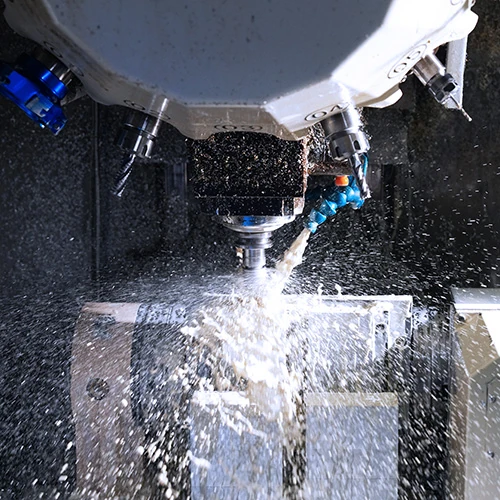
Brazing, tube assembly and friction stir welding can introduce different distortion and finishing steps. The manufacturing plan should state when the contact face is machined, how it is supported and which dimensions are checked after joining. The SUNENG thermal manufacturing route can be reviewed against the approved drawing and sample plan.
What evidence should accompany the sample?
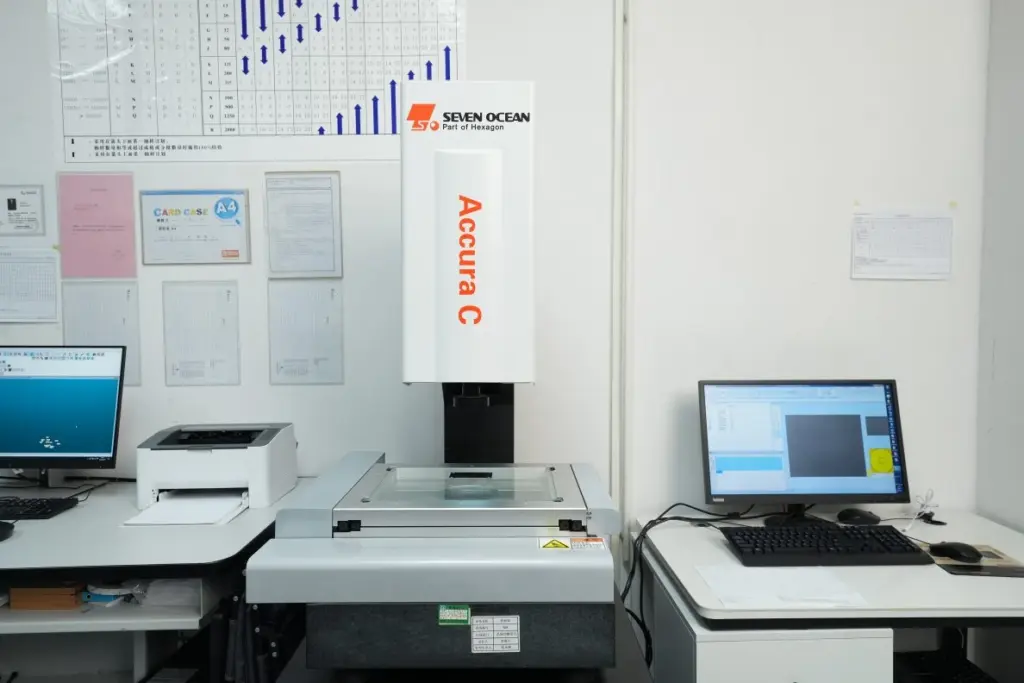
Agree the datum, instrument or gauge method, sampling frequency and report format before inspection. If thermal performance is also required, record the heat input, coolant or airflow condition, mounting arrangement and acceptance criteria. Dimensional approval and thermal approval are related, but they are not the same test.
Send the contact drawing and installation conditions through the OEM/ODM development route or contact SUNENG with the interface requirements.