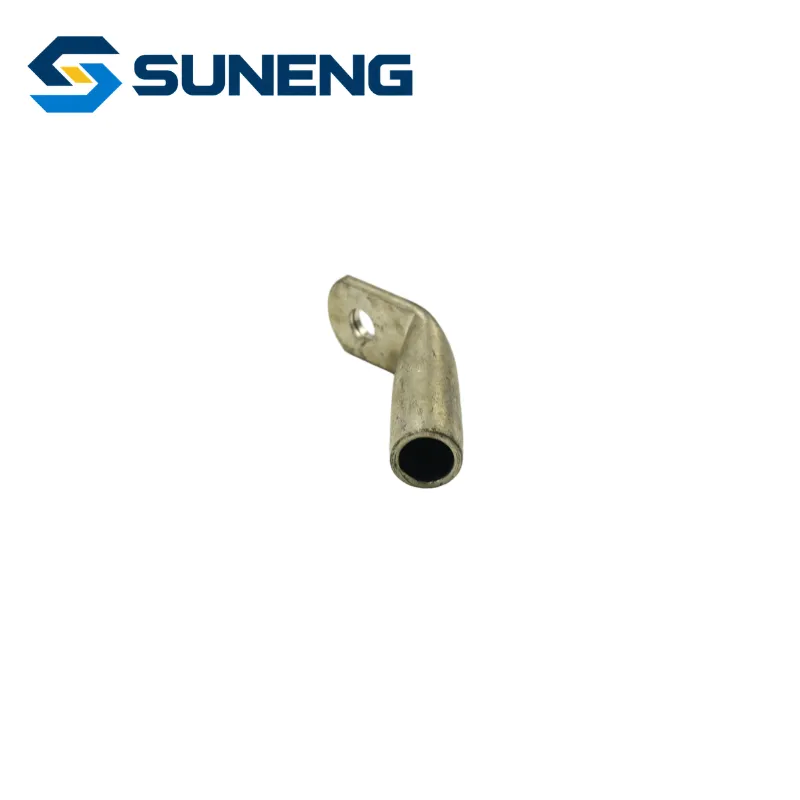
You have identified the type of fitting you need, but the catalogue hole pattern does not match the installation. There is little room around the connection, the order quantity is modest, and the information available is an old part or a few photographs. The useful first question is not “Can you copy this?” It is “Which interfaces must remain unchanged, and what must the finished part demonstrate?”
For eligible fittings and connection components, SUNENG can coordinate design development, machining, sampling and production through its manufacturing network. Feasibility is reviewed for the specific part. A photograph alone is not a production drawing or proof that a replacement will perform correctly.
Separate fixed interfaces from details that can change
Mark the surfaces that touch other parts, the available installation envelope and the dimensions that control assembly. Identify a measurement origin so hole locations are not described from different edges in different photographs. If the installation has already been designed, send the relevant drawing rather than asking a supplier to infer the design from the old component.
| Information to send | Why it changes the development discussion |
|---|---|
| Hole positions, diameters and mating surfaces | Defines the interface that a proposed replacement must fit; identify which drawing or measured surface is authoritative. |
| Space envelope and adjacent components | Reveals access and clearance questions that a front-view photograph may miss. |
| Material and intended duty | Establishes what must be reviewed beyond appearance; do not substitute material on the basis of colour alone. |
| Required quantity and likely repeat orders | Helps compare a sample/machining route with dedicated tooling without inventing a universal minimum order. |
| Required verification and documentation | Makes the sample acceptance process part of the quotation rather than an unresolved issue after manufacture. |
Compare the route, not just the piece price
Ask for a route recommendation tied to the confirmed geometry and quantity. A custom part is not automatically a tooling project, and CNC machining is not automatically the right answer for every material, feature or duty.
| Route to evaluate | When it may be worth reviewing | What must be settled |
|---|---|---|
| An existing catalogue item | The mating dimensions and required specification can be matched without changing the installation. | Confirm the actual drawing and specification. A similar title or photograph is not enough. |
| Machined sample or small batch | The proposed geometry and material are suitable for machining and the quantity does not yet justify dedicated tooling. | Agree critical dimensions, finish, inspection and the intended status of the sample. |
| Dedicated tooling and production samples | The geometry or anticipated volume makes a production-tool route worth assessing. | Separate tooling cost, ownership/use arrangements, sample approval and the production acceptance basis. |
Use a shape sample to answer a shape question
For suitable small components, a 3D-printed shape sample can make a proposed outline or interface easier to discuss before committing to tooling. Agree which dimensions and features the sample represents and whether any have been simplified. Label it as a shape-review sample.
Do not use approval of that shape sample as approval of the final material, electrical performance, mechanical strength or service suitability. Those questions belong to the specified production material, manufacturing route and appropriate validation. A larger equipment assembly is not treated as though it were a small printable fitting.
Put an approval boundary between drawing, sample and batch
- Drawing review: agree a revision, fixed interfaces, critical dimensions, material and unresolved items. Record changes instead of approving a mixture of screenshots.
- Sample review: identify whether it is a visual model, machined sample or production-intent sample. Record what has actually been checked and what is still pending.
- Production release: confirm the approved drawing, quantity, inspection/document requirements, packing and the handling of any proposed change.
A practical quotation should state what is included at each stage. Ask separately about samples, tooling, inspection, packaging and repeat-order conditions. We do not apply a fixed lead-time or cost promise to a part whose design and verification requirements are still open.
What to send in the first enquiry
Send a marked drawing or photographs, the mating dimensions, material if known, application, quantity, destination and required schedule. State the specific difficulty: “the existing hole centres do not match”, “access is limited”, or “we need a repeatable replacement but have no original drawing”. This is more useful than simply asking for the lowest price.
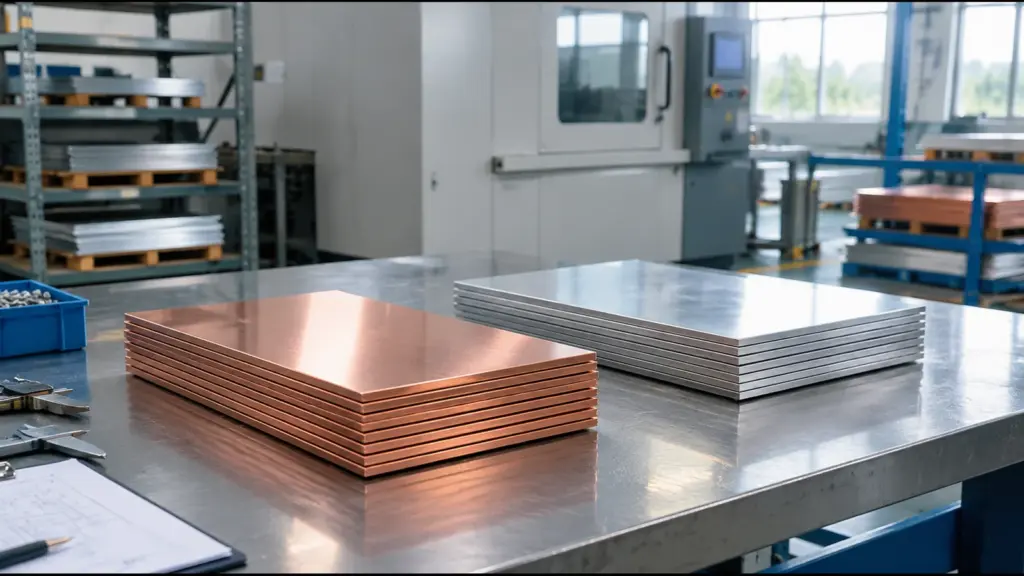
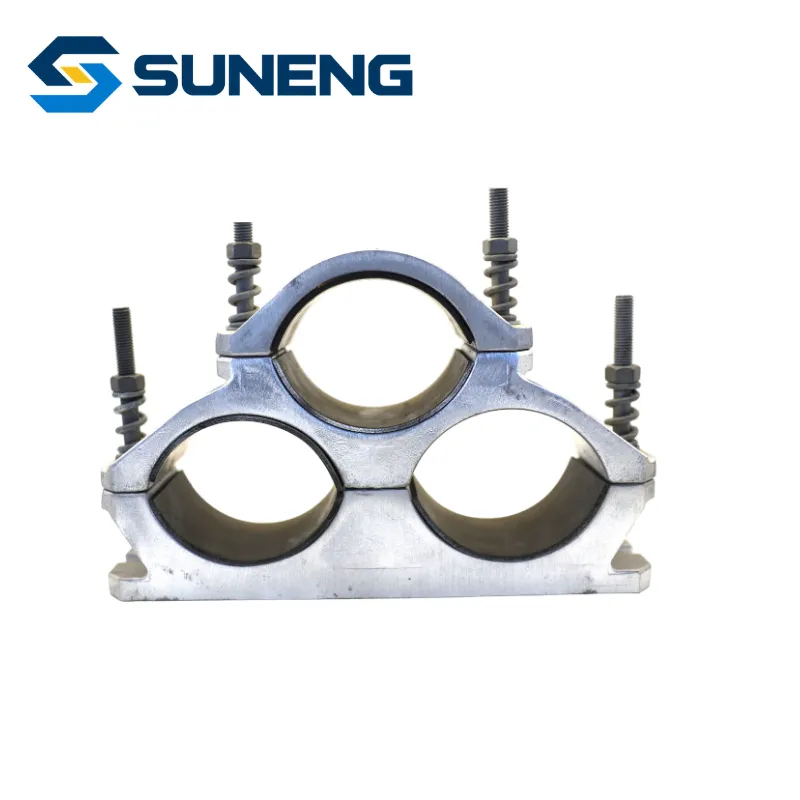
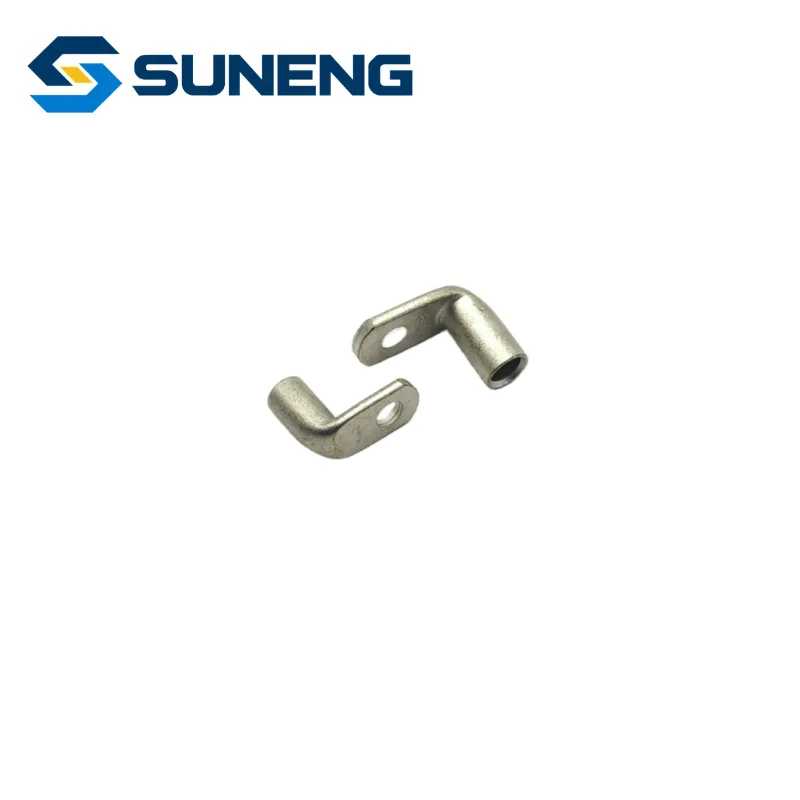
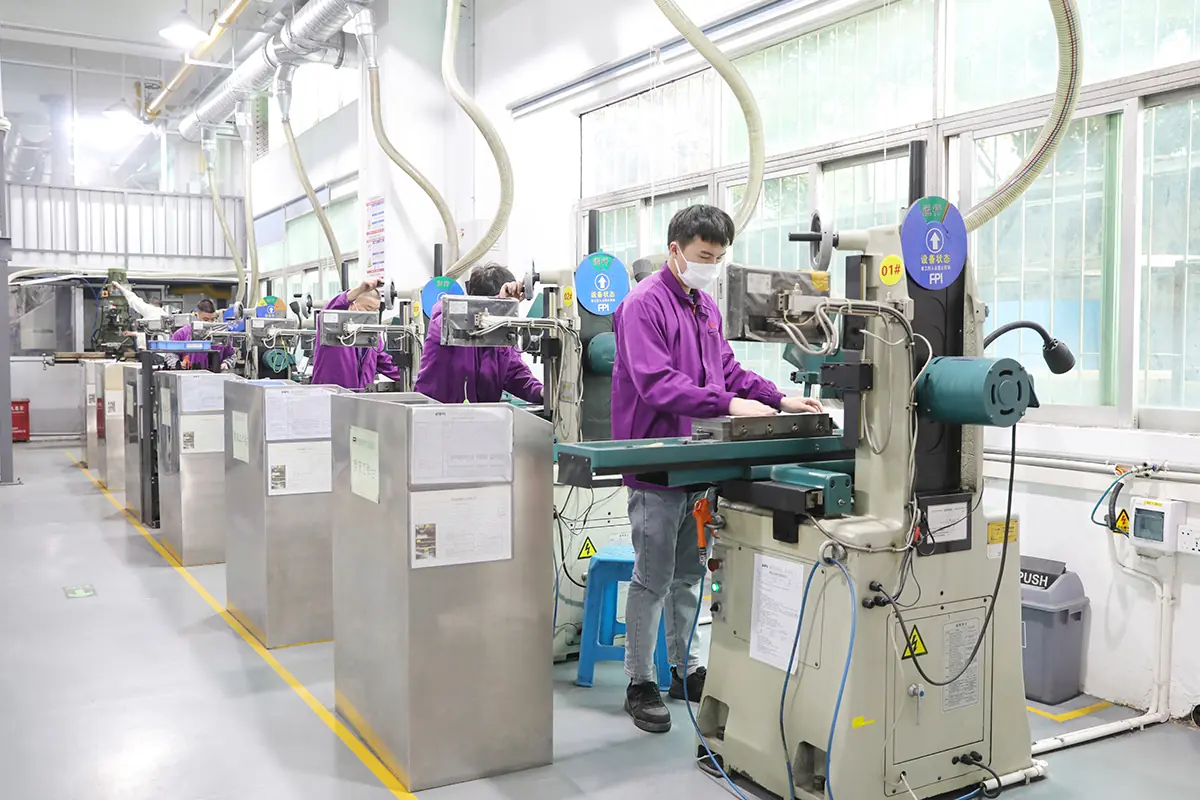
Use our OEM/ODM development overview to review the wider process and manufacturing network for supplied workshop photography. The JGPD cable fixing clamp and right-angle terminal are product references for discussion, not guaranteed substitutes for your installation.
Questions that should be answered before release
Can you start without a complete drawing? Yes, an initial feasibility discussion can start with parameters, dimensions or a reference part. Production still needs an agreed definition of the part and its acceptance requirements.
Can a small order avoid tooling? That is a route to evaluate, not a promise. Geometry, material, processing and inspection requirements can change the answer.
Who approves a change to the installation? The customer’s responsible technical party must approve installation compatibility. Supplier-side component development does not replace that responsibility.