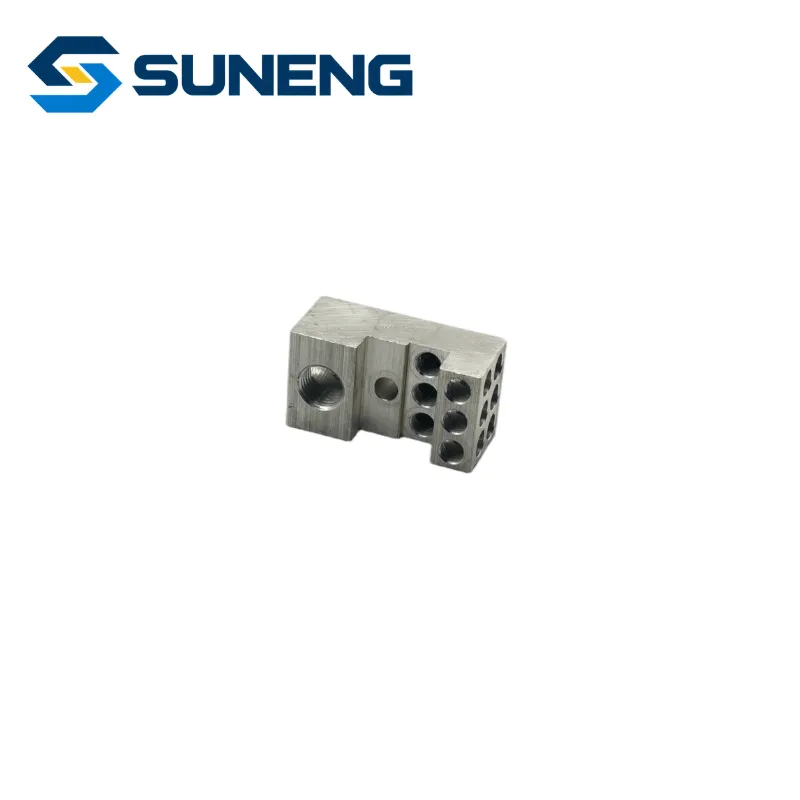
For a first order of 50 custom electrical fittings, the lowest quoted unit price may not produce the lowest project cost. Compare the complete machining and tooling routes: design work, fixtures or dies, samples, secondary operations, inspection, changes and delivery scope.
Fifty pieces is an illustrative purchasing scenario, not a threshold at which one process becomes cheaper. The correct route depends on the part’s shape, material, functional requirements and credible future demand. Some designs will not be suitable for both routes.
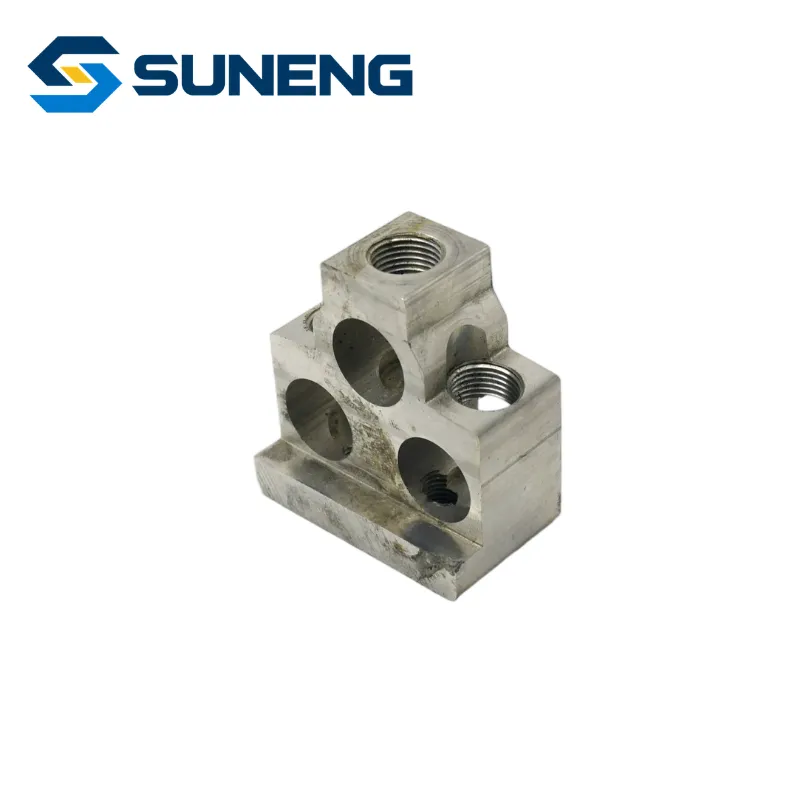
Clarify what “opening a mould” means
For metal components, the proposal may involve casting tooling, forging dies or another forming process, followed by machining. These are not interchangeable processes. Ask the supplier to name the proposed route and identify which features will still need machining, finishing or inspection.
CNC machining is not free of setup costs either. Programming, workholding, stock preparation and inspection preparation can be substantial for a small batch. A fair comparison starts with the same approved functional requirements, not with the assumption that one route has no upfront cost.
Use a total-cost sheet
| Cost or commitment | CNC route: request a value | Tooling route: request a value |
|---|---|---|
| One-time preparation | Programming, fixtures and setup; identify reusable items. | Tool design, manufacture and trials; identify ownership. |
| Samples and approval | Prototype quantity, inspection and revision allowance. | Trial parts, tool corrections and approval allowance. |
| Finished unit price | Material, machining, finishing and agreed inspection. | Forming, secondary machining, finishing and agreed inspection. |
| Verification | Required dimensional and performance checks; exclusions. | The same acceptance requirements; exclusions. |
| Changes and repeat orders | Reprogramming or fixture changes, reorder setup and quantity breaks. | Tool modification, storage, maintenance and reorder conditions. |
| Delivery basis | Packing, freight basis, taxes and lead-time starting point. | The same delivery basis, including tooling and approval milestones. |
For a defined order, compare: total order cost = agreed one-time charges + quantity × finished unit price + separately quoted verification and delivery charges. Do not count a charge twice if it is already included in the unit price. Compare the same currency, acceptance scope and delivery basis.
Separate today’s order from hoped-for volume
Request one quotation for the confirmed first batch and a separate repeat-order scenario. Ask what changes at each quantity: setup allocation, material purchase, inspection or unit price. Protolabs’ pricing guidance illustrates that quotation structures differ by manufacturing service and provider; its CNC service, for example, describes no upfront non-recurring engineering charge. Do not assume that arrangement applies to another supplier or treat its published prices as a SUNENG quote.
A tooling investment can look attractive if it is divided by a large forecast quantity. If that forecast is uncertain, keep the uncommitted quantity visible instead of assuming it will be ordered. Also identify who owns the tooling, where it is stored, what maintenance costs apply and what happens if the drawing changes.
Do not buy a cheaper process by changing the requirement silently
List the features that matter to function: mating faces, conductor or bolt interfaces, critical dimensions, material specification, finish and relevant electrical or mechanical performance. Invite design-for-manufacture suggestions, but require every proposed change to be identified and approved.
A sample machined from one material does not automatically validate a production part made by a different process or in a different material condition. A 3D-printed shape can support discussion of appearance and available space; it does not demonstrate conductivity, temperature-rise performance or structural strength. Define separate checks for fit and function.
A practical staged purchase
- Feasibility review: provide drawings, parameters or a reference sample, and identify the interfaces that cannot change.
- Proposal: request the manufacturing route, assumptions, exclusions, drawing and cost breakdown.
- Sample: agree what the sample is intended to prove and how changes will be recorded.
- First-article approval: freeze the drawing revision, material, finish and acceptance plan.
- Production and reorder: specify quantity, traceability, inspection records and the conditions for repeating the order.
Send a requirement, not only a target price
We need an initial batch of 50 parts for the attached interface. Please compare feasible production routes against the same material and acceptance requirements. Separate setup/tooling, samples, finished-part price and verification costs. State what changes if the drawing is revised and quote repeat quantities separately.
SUNENG supports OEM/ODM and small-batch custom development across electrical components, rather than limiting enquiries to a fixed list of standard models. If your drawing is incomplete, start with the mating dimensions, performance requirements, environment and quantities. Our custom-development guide explains how to organise those inputs.
Send a drawing, parameter list or reference sample information for a manufacturing and quotation review. Process choice and lead time are confirmed for the individual part, not promised from quantity alone.