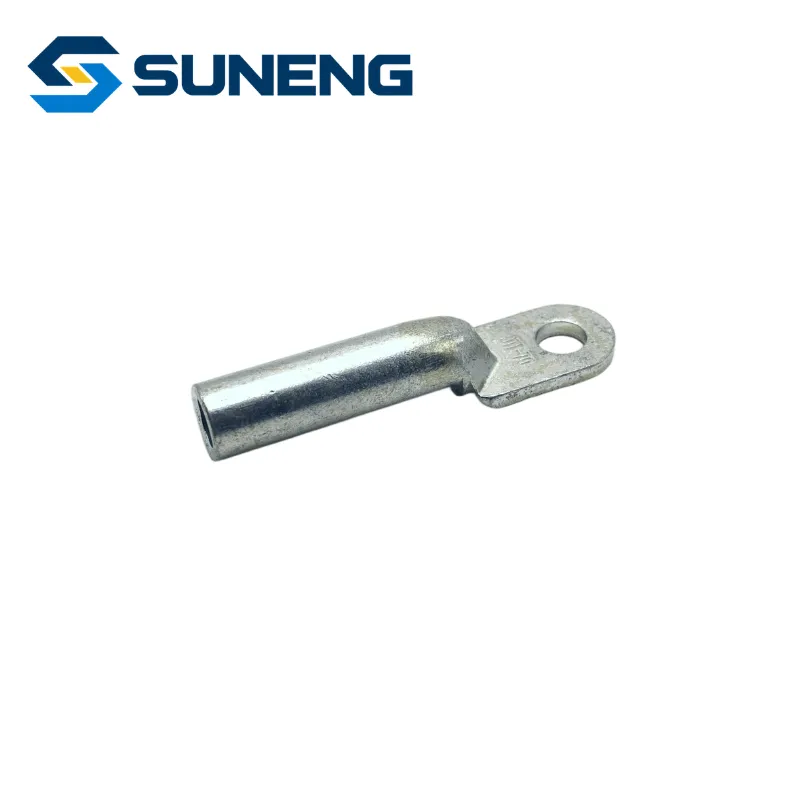
A hot copper-aluminium terminal does not, by itself, tell you which part has failed. Before ordering a replacement, separate the conductor-to-barrel connection, the copper-aluminium transition and the terminal-to-equipment joint. Then review the operating conditions and installation evidence for each interface.
This guide helps maintenance teams and buyers prepare a useful technical enquiry. It is not a live-work instruction or a substitute for the equipment manufacturer’s limits and site procedures. Signs of damage, arcing or abnormal heating require assessment by qualified personnel; do not touch, tighten or disconnect an energised connection to investigate.
First, make the observation comparable
Record when the heating occurs, the load at that time and the measurement method. A temperature reading without those details is difficult to compare with a previous inspection or another terminal. A thermal image can help locate an anomaly, but it does not prove its cause. Fluke’s electrical inspection guidance explains why load and connection condition matter when interpreting thermal patterns.
Ask the inspection team to retain the original image or readings, not only a cropped screenshot with the hottest number. Identify the terminal, surrounding equipment, ambient conditions and observation point. If operating conditions changed between inspections, mark that difference explicitly. Do not use an arbitrary temperature from an online article as a universal pass/fail threshold.
Review three interfaces, not one product label
| Interface | Information to retrieve | Decision it supports |
|---|---|---|
| Conductor to barrel | Cable datasheet, conductor construction, terminal drawing, tool and die identification, crimping record. | Whether the selected conductor and approved compression system correspond. |
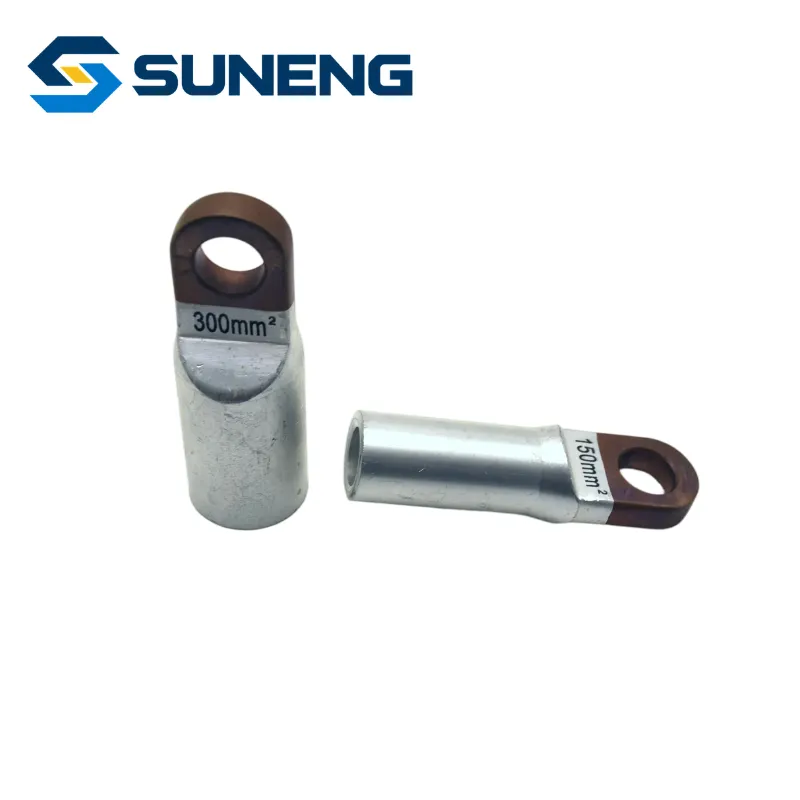
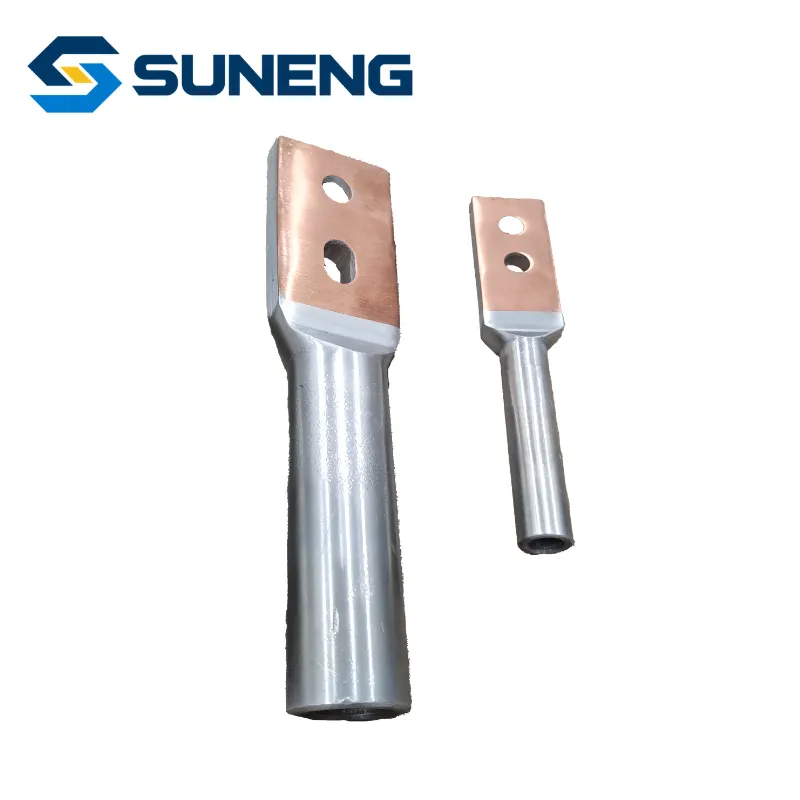
| Copper-aluminium transition | Exact model and batch, transition design, sample identification and applicable test records. | Whether the evidence covers the supplied transition, rather than a visually similar sample. |
| Palm to equipment | Mating material and finish, mounting drawing, hardware, assembly instructions and inspection history. | Whether the equipment interface was specified and assembled as intended. |
Use the table to allocate questions, not to diagnose a failure from a photograph. For example, an improved copper-aluminium transition does not resolve an unsuitable conductor-to-barrel fit or an incorrect equipment connection. Keep those workstreams separate until the evidence links them.
What to check before buying a different terminal
- Confirm the identity. Record the actual marking, supplier reference, drawing revision and delivered batch. A purchase-order description alone may omit the exact variant.
- Reconstruct the installation. Ask for the approved instructions and the tools actually used. An installer remembering the tool tonnage is not the same as a complete tool-and-die reference.
- List changes. Note any cable replacement, rerouting, enclosure change, increased loading, maintenance or water exposure since commissioning.
- Define the missing evidence. Separate unknown dimensions from missing installation records and unresolved operating measurements.
- Agree corrective action. Have the responsible engineer determine whether further inspection, testing, reassembly or replacement is appropriate before procurement finalises the replacement scope.
Do not cut strands, enlarge the barrel, re-drill the palm or add an unapproved sleeve merely to make a replacement fit. If the interface cannot be matched by a standard part, submit it for a documented custom design.
Copy this heating-enquiry checklist
- Site and equipment reference; system duty and operating environment.
- Terminal model, batch and drawing; conductor material, construction and nominal size.
- Actual connection arrangement and photographs collected under safe site procedures.
- Observed temperature pattern, measurement method, load, ambient conditions and time.
- Tool, die and installation-instruction references; available assembly and inspection records.
- When the issue began and what changed beforehand.
- Required investigation documents, replacement quantity and shutdown window.
How to compare a proposed improvement
Ask the supplier to identify the offered sample and the comparison conditions. For resistance or temperature-rise evidence, request the conductor arrangement, measuring points, test method and operating or test conditions. A sample photograph or a percentage without that context cannot establish the benefit in your installation. Our test-report checklist explains how to review the supporting documents.
SUNENG can review standard and custom copper-aluminium connection requirements. Send the information above with your present interface so the discussion starts with compatibility and evidence, rather than a promise that changing the lug will automatically solve the issue. See our copper-aluminium terminal guide for the process video and specification checks.
Send your terminal and connection details for review.