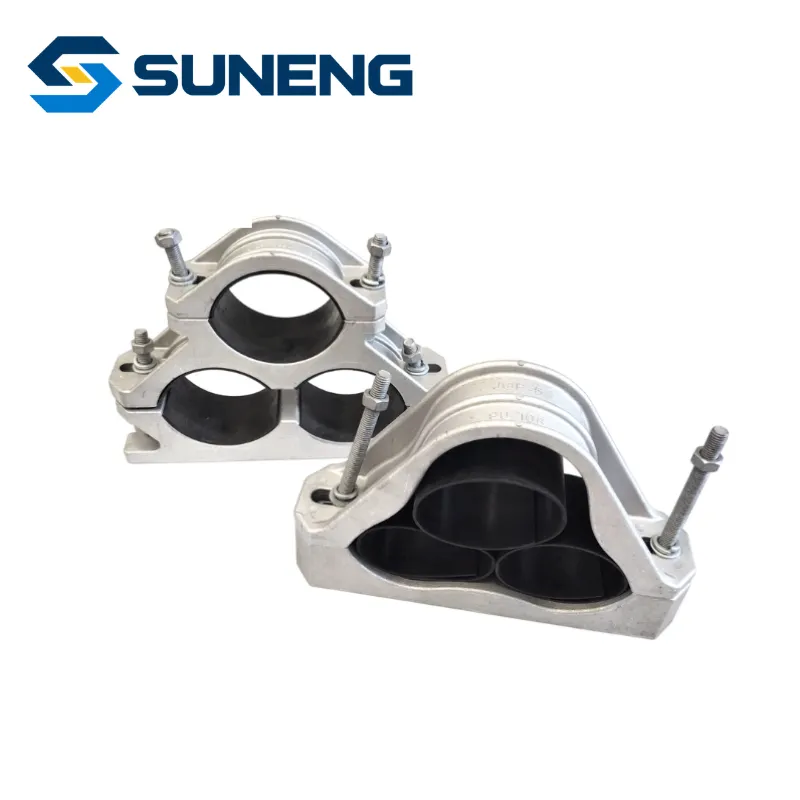
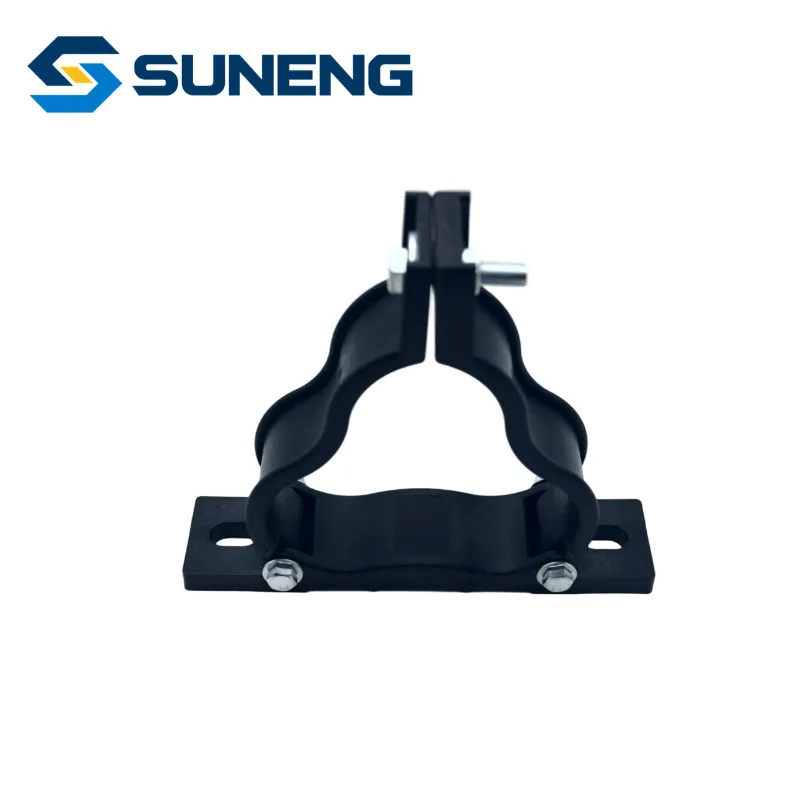
Cable diameter tells you whether a clamp may physically accommodate a cable. It does not establish the restraint performance of the complete installation. Before comparing cable-cleat quotations, define the cable arrangement, supports, service environment and any required short-circuit restraint duty.
This guide helps buyers assemble a selection package. It does not calculate a safe spacing or approve a restraint design. Those decisions need the project engineer’s requirements and evidence applicable to the proposed cleat and installation.
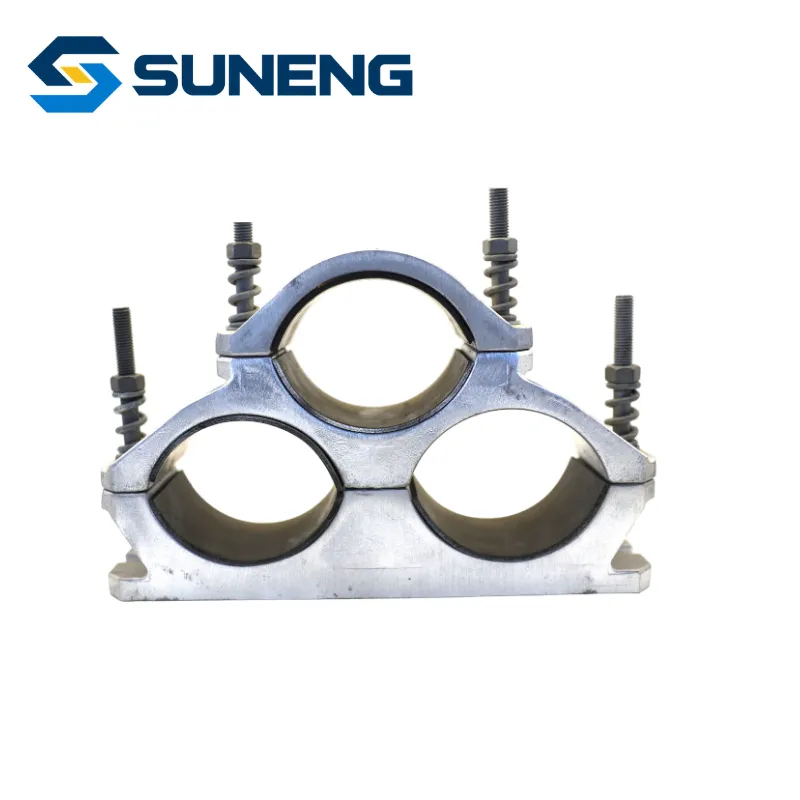
Decide what the clamp must actually do
Start by asking whether the request is for positioning and support, for a specified restraint duty, or for both. Describe vertical or horizontal routes, cable arrangement, interfaces with trays or support steelwork and any relevant movement or environmental conditions. Do not allow a supplier’s generic phrase “heavy duty” to substitute for a defined requirement.
Also distinguish a single multicore cable from several single-core cables arranged together. A count of “three cables” does not fully describe the circuit or geometry. Add a drawing or marked photograph, with dimensions and cable identification.
Why a spacing recommendation needs a defined cleat
Ellis Patents explains that short-circuit forces, cleat mechanical performance and spacing are considered together, and that changing the cleat can require spacing to be recalculated. Its guidance also distinguishes a simple tensile test from a short-circuit test. This is why a spacing copied from another manufacturer’s catalogue is not automatic approval for a substitute.
Where short-circuit restraint is required, obtain the project’s fault-duty inputs from the responsible engineer. Keep peak current, RMS current and duration clearly labelled rather than forwarding an unexplained “kA” figure. Ask the proposed supplier to state the installation configuration and evidence supporting its recommendation. Do not infer SUNENG product test coverage from another manufacturer’s report.
Prepare this selection package
| Input | What to supply | What to resolve |
|---|---|---|
| Cable configuration | Cable datasheets, outside diameters, single/multicore identification, flat or trefoil arrangement. | Exact cleat size and configuration, including liners or inserts. |
| Route and supports | Orientation, support drawing, fixing-hole pattern and proposed spacing. | Cleat attachment, supporting structure and installation compatibility. |
| Required duty | Project restraint requirements and engineer-issued fault data where applicable. | Whether the proposed product and supporting evidence meet the specified duty. |
| Environment | Indoor/outdoor location, exposure, temperature range and material restrictions. | Body, liner, finish and fixing-material suitability. |
| Supply boundary | Quantities, mounting arrangement and required documentation. | Whether bolts, liners, intermediate restraints and support hardware are included. |
Read the report against the installation drawing
If IEC 61914 is specified, confirm the required edition and the scope of evidence being offered. Do not accept the standard number in a brochure as a complete report. Ask for:
- The tested manufacturer, model, size and material configuration.
- Cable construction and arrangement used in the test.
- Cleat spacing, mounting details and any intermediate restraints.
- Recorded duty, acceptance criteria, results and report identification.
- A written explanation of differences between the tested assembly and the proposed installation.
A report for another size or arrangement is a question to resolve, not automatically a failure or an approval. Refer any claimed extension of coverage to the responsible technical parties. Our test-report review guide provides a broader document checklist.
Compare quotations on the same supply basis
Ask each bidder to return the same configuration sheet. One price may cover only a clamp body while another includes liners and mounting hardware. One proposal may leave spacing or restraint verification to the customer. Put these differences beside the unit price before choosing a supplier.
For a replacement, record the existing support holes and available installation space. A substitute that requires new supports or drilling changes the scope and may affect the engineering review. Include those consequences in the comparison rather than treating them as an installation team’s later problem.
When a custom fixing arrangement is needed
Special diameters, support interfaces or clearance restrictions can justify a custom review. SUNENG can assess cable-clamp requirements from drawings, measurements or reference samples. Confirm the proposed geometry, material and verification requirements before accepting a prototype. A prototype that fits the cable is not proof of short-circuit restraint performance.
Send the cable datasheet, arrangement and support drawing, together with any required restraint duty. We can review available products and the interfaces that need development.