Updated 16 October 2026
Moving from a thermal component prototype to repeat production is not only a matter of making the same part again. The drawing revision, joining route, inspection evidence, interfaces and change-control rules need to be clear before the first approved sample becomes a production reference.
Freeze the requirements that cannot move
Start with the equipment interface: contact area, mounting pattern, ports, envelope, critical dimensions and required surface condition. Separate fixed requirements from open design decisions. This prevents a supplier from treating an unresolved thermal or mechanical question as a production detail.
Use the sample to verify the right things
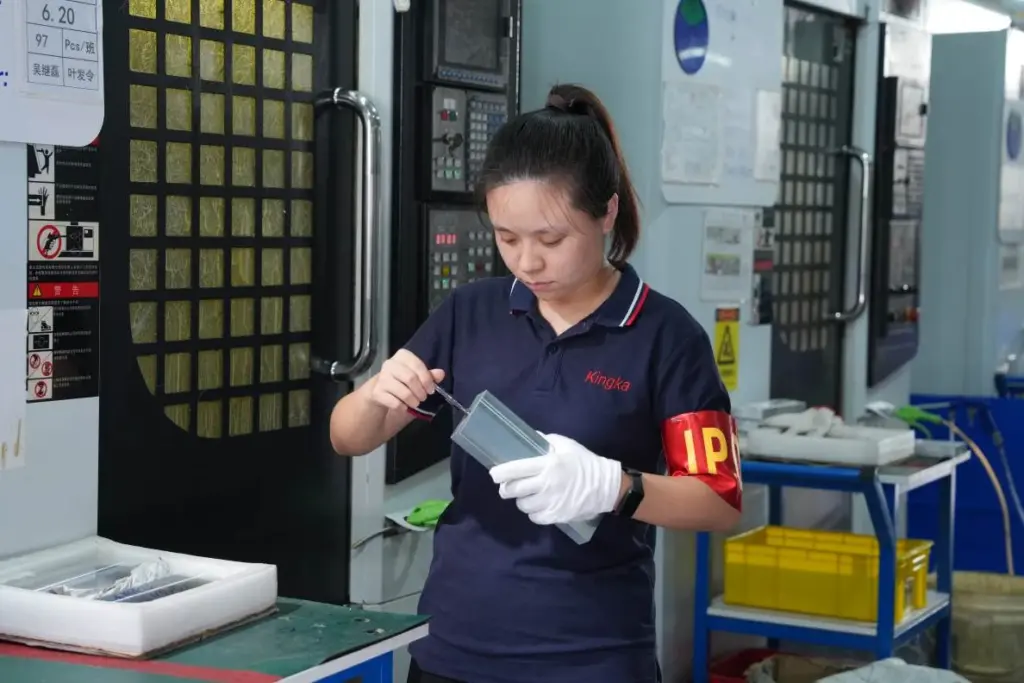
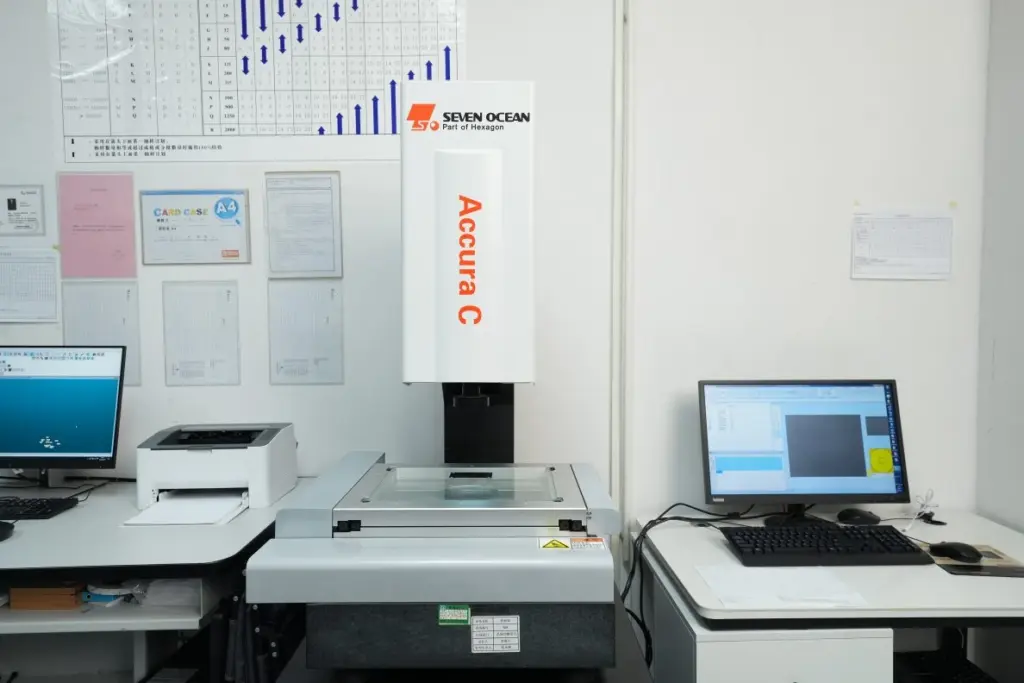
A useful sample plan may include material confirmation, dimensional inspection, flatness, pressure or leak checks, flow checks, cleanliness and thermal validation. The exact scope depends on the application. Record the test condition and pass criteria so a later batch can be compared with the approved reference.
Control the manufacturing route
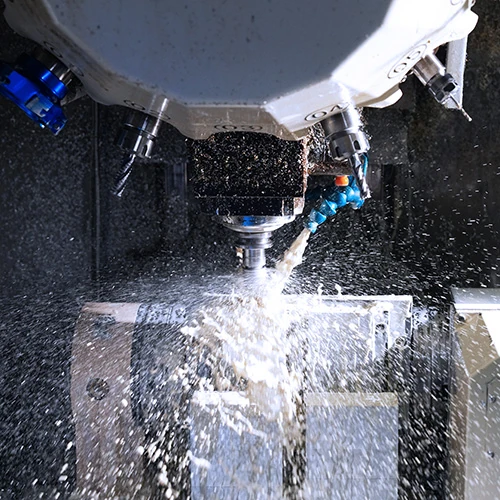
Document the approved construction, machining features, joining process, finishing steps and inspection datums. If the route changes from embedded tube to brazed or FSW construction, that is a design review item, not an invisible substitution. The liquid cold plate range shows several possible routes, while the final production route must follow the project approval. See the thermal manufacturing page for the wider development scope.
Plan quantity and evidence together
Prototype quantity, expected annual demand, delivery destination and required reports affect how the part is prepared for repeat production. Clarify whether every unit needs a record or whether a defined sampling plan is acceptable. Include packaging, cleanliness and protection of machined or sealing surfaces where they affect installation.
Start the review with the information available
A complete drawing is useful but not always available at the first discussion. Send a reference part, marked-up sketch, heat-source layout, coolant or airflow conditions, target quantity and key constraints. SUNENG can review the open items through the OEM/ODM development route and discuss a practical sample and approval plan.