Updated 16 October 2026
A cold plate quotation becomes difficult to compare when the supplier receives only a plate outline and a target price. A useful RFQ explains the heat source, the coolant loop, the interfaces and the evidence required for approval.
Include the thermal duty
State the heat load, duty cycle, component temperature limit and the contact area that must be cooled. If several modules share one plate, provide their positions and individual loads. A thermal simulation or test target can help, but identify which values are measured, calculated or still under review.
Include the mechanical interfaces
- Overall length, width, thickness and weight limit
- Mounting holes, threads, locating features and keep-out zones
- Contact face flatness, roughness and coating requirements
- Inlet and outlet position, port size and connection type
- Space for hoses, fittings, seals, sensors and service access
Describe the coolant and operating conditions
Identify the coolant, concentration, operating and peak temperature, available flow, working pressure, pressure-drop limit and expected operating hours. State whether the plate must be drained, cleaned or installed in a particular orientation. These details affect material compatibility, channel design and testing.
Separate the sample from the batch
Give the prototype quantity, target annual or project quantity, required sample date and batch delivery schedule separately. Ask the supplier to list tooling, fixture, sample, inspection and production costs as separate items. Confirm which drawing revision controls the sample and how approved changes will be handled.
Define the approval evidence
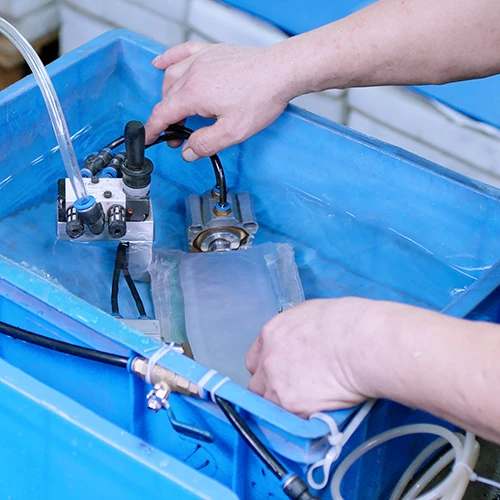
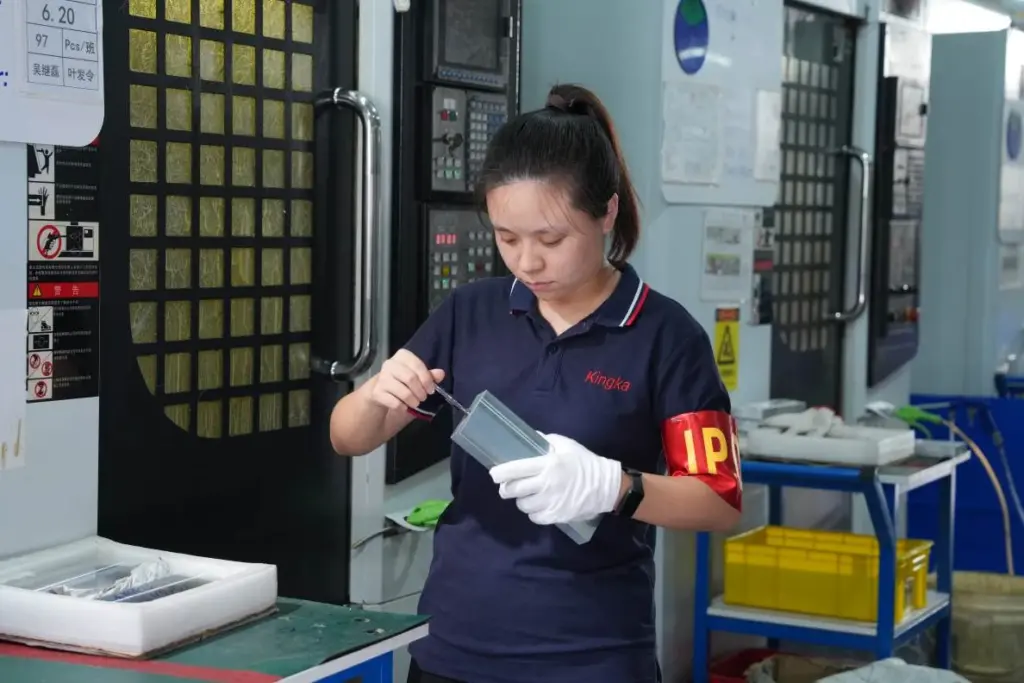
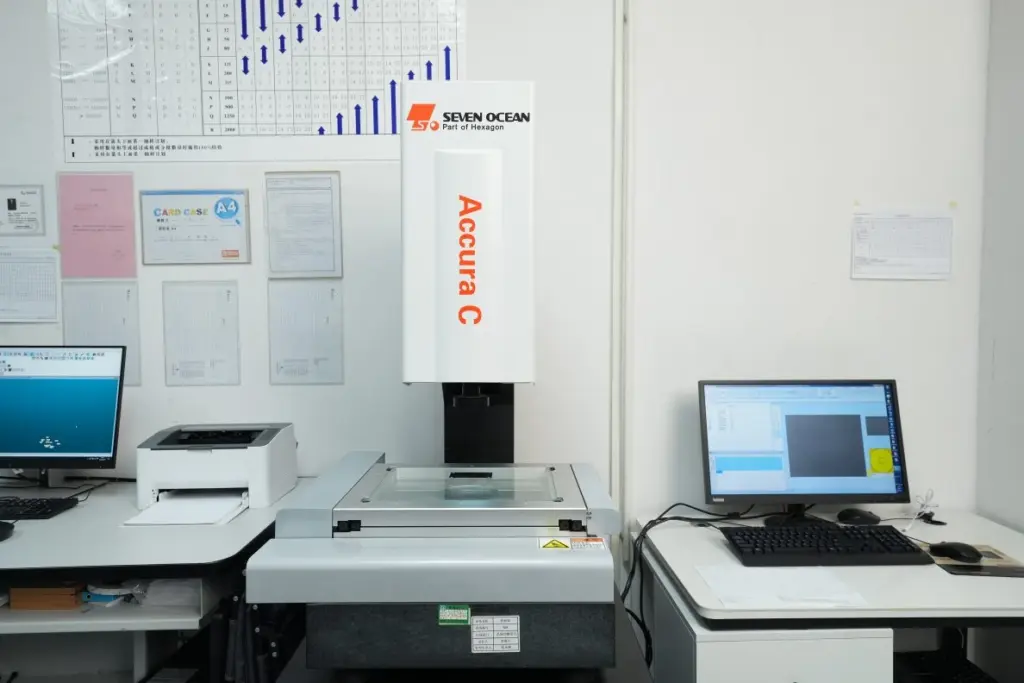
Ask for the proposed inspection scope before production. Depending on the application, this may include dimensional records, flatness, pressure or leak checks, flow and pressure drop, cleanliness and thermal performance. The acceptance method and test conditions must be agreed rather than assumed from a general product description.
A short RFQ template
Please review the attached cold plate drawing and thermal requirements. Confirm the proposed construction, material, channel or tube route, ports, critical dimensions, inspection scope, sample schedule and production lead time. List all assumptions, exclusions and information still required for approval.
Upload the drawing, model, BOM or marked-up photograph through the SUNENG enquiry route. For projects without a complete drawing, see custom development from parameters and the thermal manufacturing route.