Updated 16 October 2026
Embedded tube, brazed and friction-stir-welded cold plates solve different manufacturing problems. Comparing them by product name alone hides the decisions that affect flow, sealing, flatness, interfaces and production quantity.
Embedded tube cold plates
An embedded tube construction uses a metal base and a formed tube route beneath the component contact area. It can be suitable when the required channel path, tube connections and thermal interface can be accommodated by the plate geometry. Review tube material, bend radius, groove design, joining method, surface machining and connection details together.
Brazed cold plates
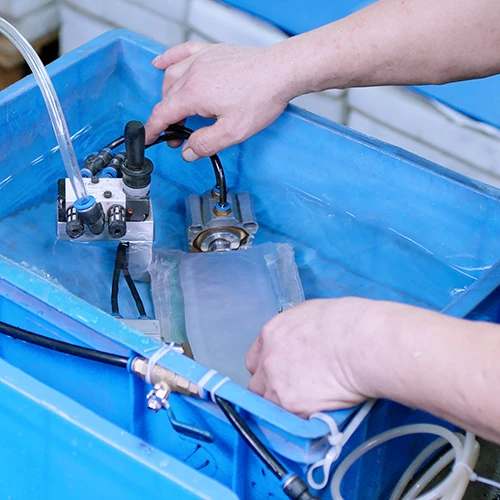
Brazed constructions join prepared parts through a brazing process. They can support internal passages and compact layouts, but the joint design, cleaning, furnace or process conditions and leak verification need to be defined for the project. A drawing should identify the sealing boundary and any areas that cannot accept distortion or residue.
Friction stir welded cold plates
Friction stir welding can join plate sections around a machined channel or internal cavity. It may be considered for larger plates or designs where the welded boundary and structural strength are important. The joint path, tool access, start and stop areas, surface finishing and inspection method should be reviewed before the route is selected.
Compare the routes against the real constraints
- Thermal: heat load, contact area, temperature distribution and coolant path.
- Fluid: flow rate, pressure drop, operating pressure, coolant compatibility and leak criteria.
- Mechanical: plate size, flatness, mounting holes, ports, vibration and service access.
- Production: prototype quantity, repeat quantity, tooling, machining time and process control.
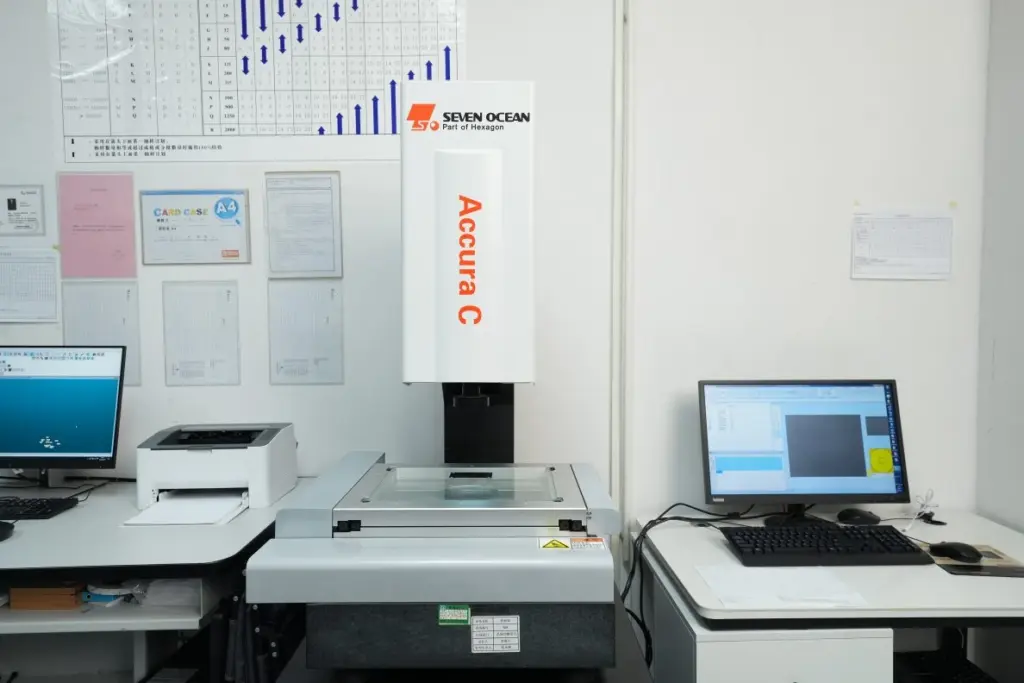
- Evidence: drawing revision, dimensional records and the testing available for the confirmed supply.
Choose after the requirements are visible
The lowest initial price is not automatically the lowest project cost. A route that requires fewer changes after sample approval may be better for the total schedule. SUNENG can review the application, drawing, installation envelope and quantity before discussing a suitable manufacturing route. Start with the thermal manufacturing page, review the OEM/ODM development route or send the technical requirement.