Updated 13 October 2026
A fitting can look right in a catalogue and still fail the installation review because its conductor range, pin dimensions or assembly function does not match. Before accepting a substitute, check the complete connection from conductor to insulator and structure. The following sequence helps buyers identify the information needed for approval.
Choose by function before comparing model numbers
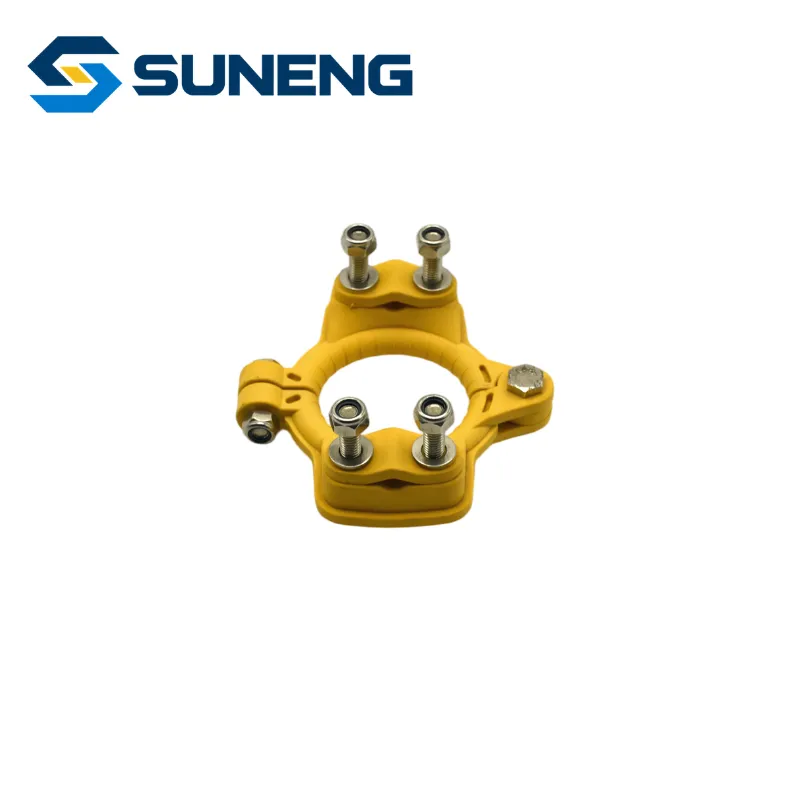
- Suspension hardware: Identify the conductor support arrangement and the specified mechanical requirements for that location.
- Tension or dead-end hardware: Confirm the anchoring duty, conductor compatibility and required performance from the project specification.
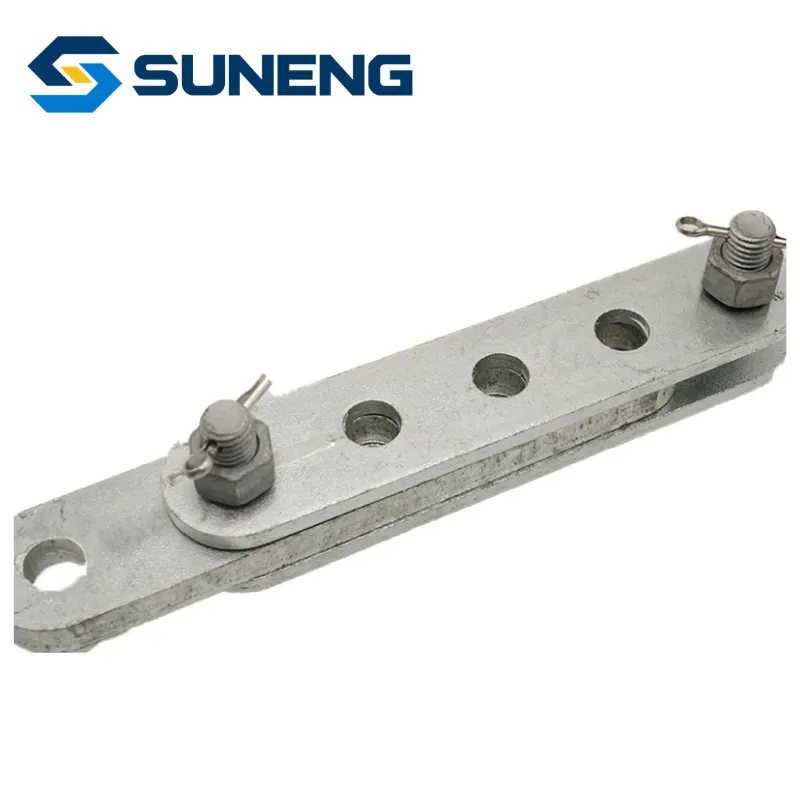
- Link fittings: Match clevises, eyes, shackles, plates and other mating connections to the assembly drawing.
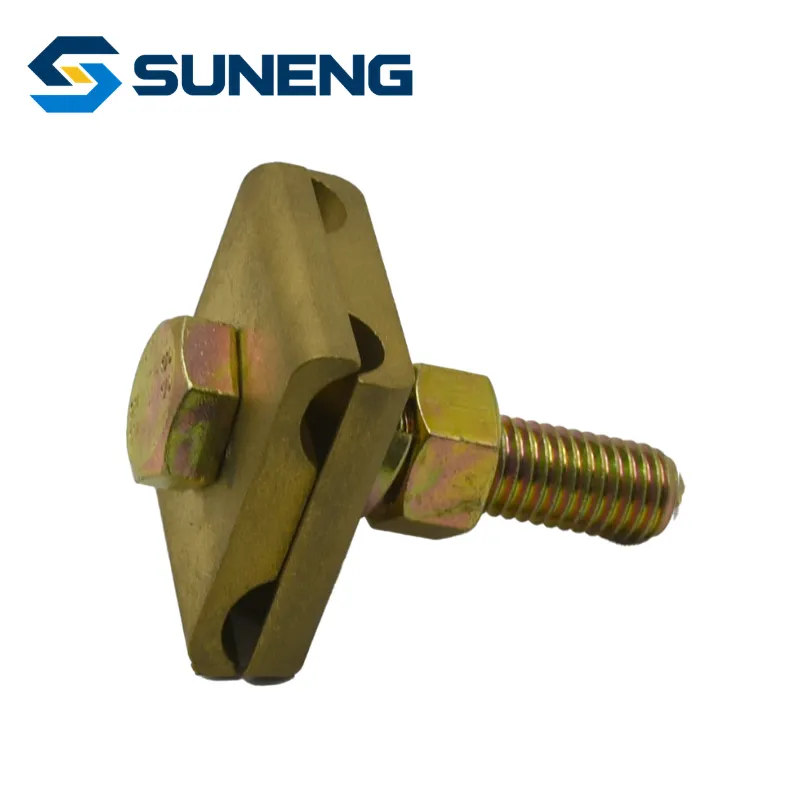
- Electrical connectors: Establish whether the connection is a tap, jumper or conductor splice, and whether tension duty is required.
- Line protection: Specify the intended damper, reinforcement or other protection function and its approved application.
A similar outline or overlapping conductor-size range is insufficient evidence that two fittings perform the same job. A non-tension connector should not be accepted for a tension joint unless that exact use and performance are confirmed.
Ask for the conductor datasheet, not only the cross-section
Record the conductor designation, material, construction and outside diameter. Identify whether the fitting contacts bare conductor or cable insulation. For insulated overhead cables, establish the actual support arrangement and the cable manufacturer’s applicable requirements. Do not treat ABC electrical cable and ADSS optical cable as interchangeable because a catalogue title contains both terms.
Where the conductor has changed, obtain confirmation for the new construction and diameter even if the nominal cross-section is unchanged. Ask the supplier to identify the specific conductor range in the drawing or product data, rather than relying on a general family description.
Review the mating dimensions as an assembly
Mark the pin diameter, hole diameter, clevis opening, plate thickness, connection orientation and available clearance on one assembly sketch. Include the mating insulator or attachment drawing. Check which pins, locking parts, nuts and washers are included in the supply.
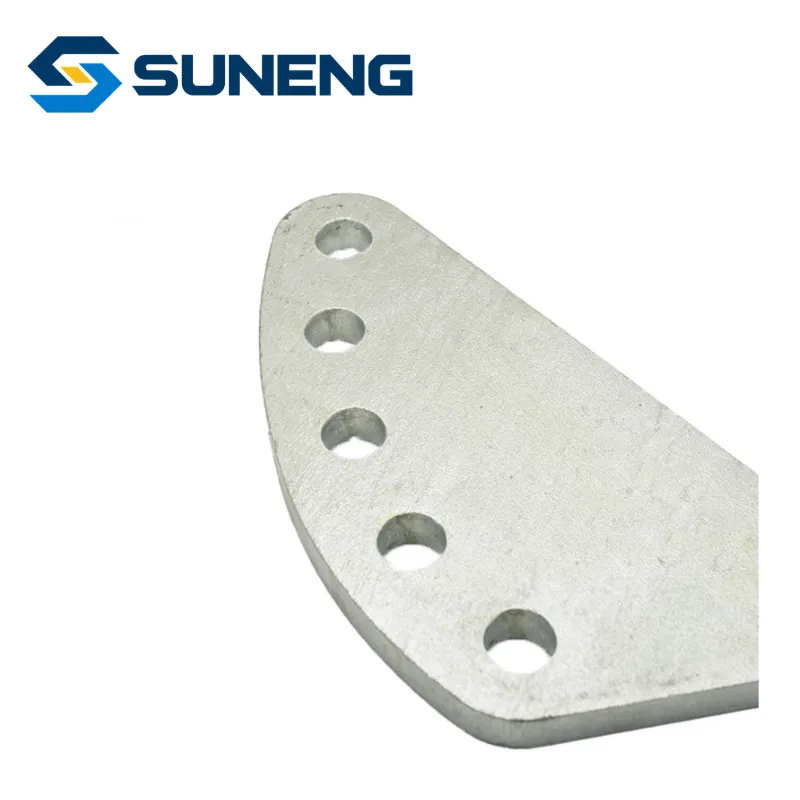
If a hole or plate must be changed, treat it as a design revision rather than an informal workshop adjustment. Request the revised dimensions and an assessment of whether the existing mechanical evidence still applies. Where mounting dimensions cannot be matched by a standard part, our custom-fitting development guide explains the approval route.
Keep the load requirement and the test evidence together
Obtain the applicable load criteria from the project designer or utility specification. A breaking-load figure alone should not be treated as an allowable service load. Check the stated test method, direction of loading, sample identity and acceptance criteria against the actual assembly and intended duty.
IEC 61284 addresses overhead-line fitting requirements and tests. Its published scope covers lines above 45 kV and allows application to lower-voltage lines and similar substation fittings. Agree its applicability and the required tests for the project; a catalogue reference to the standard does not prove that a particular item has been tested.
Confirm the environment and installation method
Include relevant corrosion exposure, material and coating requirements, and the project assumptions for vibration, wind or ice. Request the supplier’s installation instructions for the selected model, including any specified tools, tightening requirements and inspection points. Do not transfer a torque value or compression sequence from a similar-looking product.
Approve the substitute with a short comparison sheet
For each proposed alternative, record:
- The original requirement and proposed model/drawing revision.
- The conductor and mating-interface comparison.
- The required mechanical/electrical performance and evidence supplied.
- Material, finish, included accessories and installation differences.
- Every deviation requiring customer or project-engineer approval.
Keep unresolved items visible until they are accepted. For a custom design, use a sample to check fit where practical, while agreeing separately how the required mechanical and electrical performance will be verified. A successful fit check is one approval step, not the entire acceptance process.
Browse overhead line hardware and ABC cable accessories, or send the conductor and assembly details to SUNENG for a product or custom-development enquiry.
Reference
IEC 61284: Overhead lines — Requirements and tests for fittings. Use the edition and acceptance requirements specified by your project.