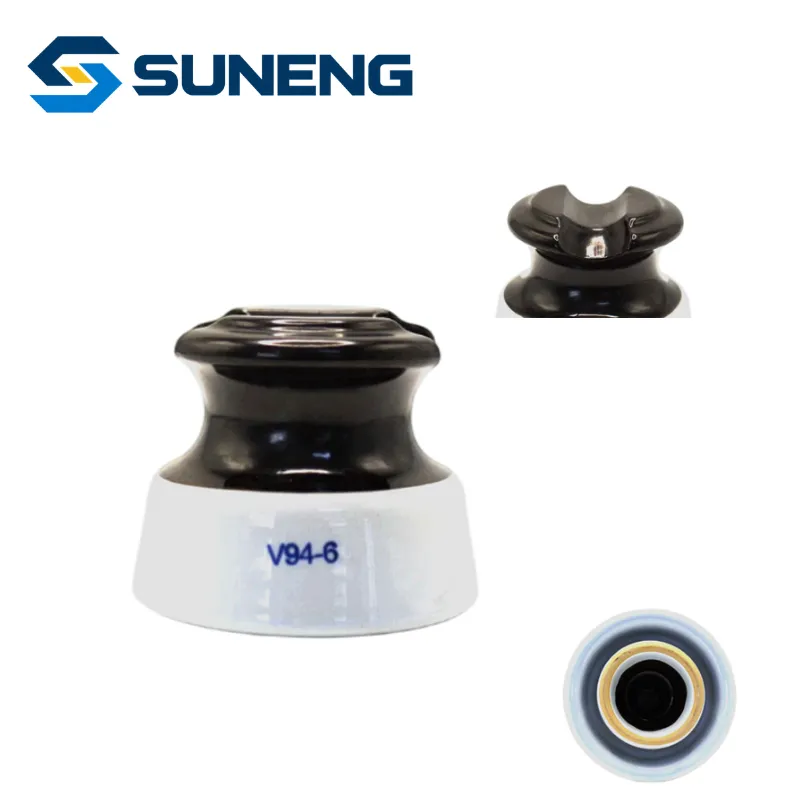
A replacement enquiry often begins with a model reference and an old photograph. That is enough to start locating a product family, but not enough to approve a substitute. The procurement task is to establish which requirements belong to the installation and which details only describe the previous supplier’s catalogue item.
Create one reference package before requesting equivalents
Collect the available nameplate or marking, original drawing, required specification, connection details and photographs showing the full assembly. Identify missing information instead of replacing it with a guessed value. If several existing units differ, label each location or variant separately.
| Check | Ask the customer or responsible engineer for | Avoid this shortcut |
|---|---|---|
| Function and installation | Where the insulator is used and the relevant assembly drawing. | Treating every porcelain component with a similar silhouette as the same application. |
| Mechanical interfaces | Fitting type, mounting dimensions, mating hardware and critical tolerances. | Approving from overall height alone. |
| Specified electrical and mechanical duty | The project specification, required ratings and acceptance documentation. | Inferring ratings from colour, shed count or a product photograph. |
| Service conditions | The location and environment information required by the project specification. | Assuming a successful previous installation makes every proposed replacement suitable. |
| Supply boundaries | Whether associated pins, brackets, caps or other hardware belong in the order. | Discovering after delivery that the quotation covered only the insulator body. |
Decide whether this is matching or development
If the confirmed requirements match an existing product, request its actual drawing and available technical documents against the enquiry. Record deviations explicitly. If the critical interface or specified duty cannot be matched, the next discussion is a custom-development review, not an undocumented “equivalent”.
Material choices such as porcelain, glass or composite construction should be reviewed against the project requirements rather than presented as a universal best-to-worst ranking. SUNENG can coordinate the relevant manufacturing route; the proposed product still needs the customer’s technical acceptance.

Make the quotation comparable
Request a response that identifies the quoted model, drawing revision, included hardware, quantity and documentation. Where more than one route is offered, ask for a deviation list. A lower-priced offer may cover a different assembly or a different documentation scope; the quote should make those differences visible.
- Mark every proposed dimensional or specification deviation instead of burying it in an attachment.
- State which documents are available now and which require additional testing or review.
- Agree the sample or inspection route before a production order, including who approves unresolved requirements.
- Confirm packing, quantities and identification so visually similar variants are not mixed on arrival.
When a reference sample helps—and what it cannot establish
An identified reference sample can help clarify physical geometry and mating details when a drawing is incomplete. Record its condition and whether it has been modified or damaged. Measurements from a worn or broken unit need review; they should not silently become manufacturing dimensions. The sample does not independently establish the required service ratings.
Prepare an actionable replacement request
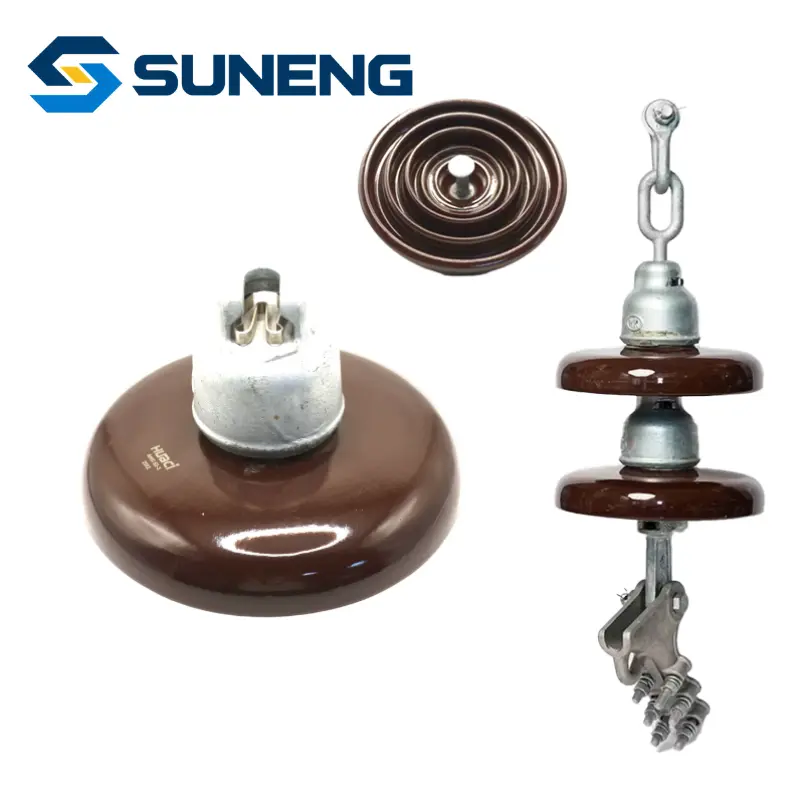
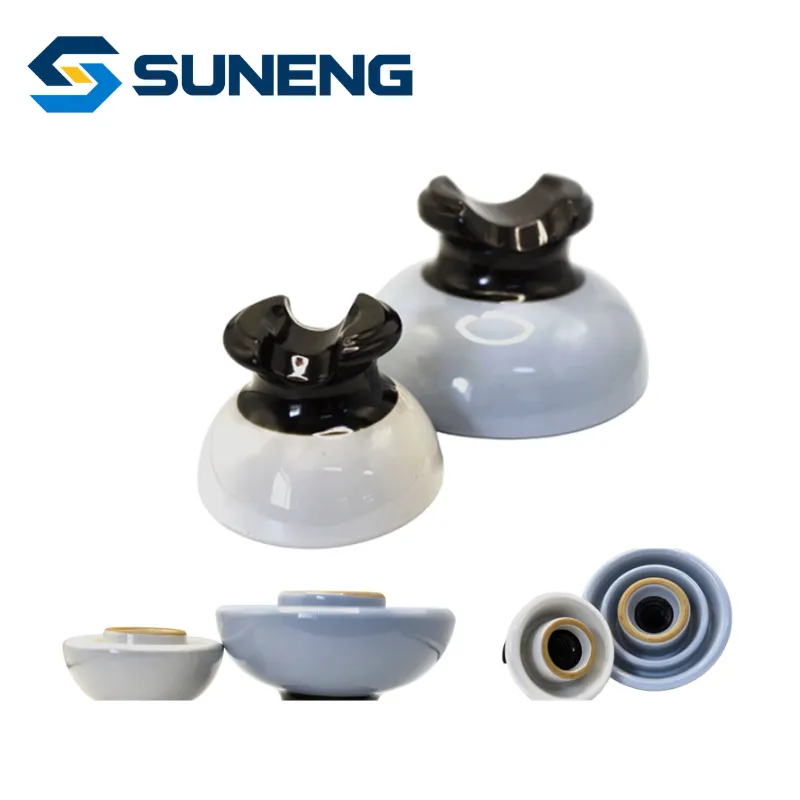
Send the application, known model, available drawings, interface measurements, quantity and project requirements. For example, compare the published documentation for our porcelain suspension insulator reference or porcelain pin-type insulator reference, rather than assuming they are interchangeable. Use the insulator catalogue to identify the family, and the custom-development route when a confirmed requirement is not covered.
What if only the system voltage is known? Send it, but treat the enquiry as incomplete. The connection, application and specified acceptance requirements still need clarification.
Can a different catalogue name be accepted? It may be considered if its documented requirements are reviewed and approved. A renamed model is not itself evidence of equivalence.