Updated 13 October 2026
Two quotations can show the same product name and still describe different supplies. One may include the mating hardware, inspection records and export packing; another may price only the main component. Use this checklist to obtain a comparable quotation for an overhead-line package, electrical connections or distribution equipment.
Start with the decision you need to make
Tell the supplier whether you need a budget estimate, a technically confirmed replacement, or a production quotation for a custom component. State the destination, quantity, required delivery date and whether that date means dispatch from the factory or arrival at the project. A preliminary estimate should identify open assumptions before it becomes a purchase specification.
Put each product on its own line
Give every BOM item a reference number and specify the unit: piece, pair, complete assembly, kit or set. For an insulator string or fitting assembly, list what constitutes one set. For a termination kit, identify the number of cores and whether the lugs, earthing components and sealing accessories are included. Request the supplier’s proposed model and drawing revision against the same reference.
Electrical connectors and cable accessories
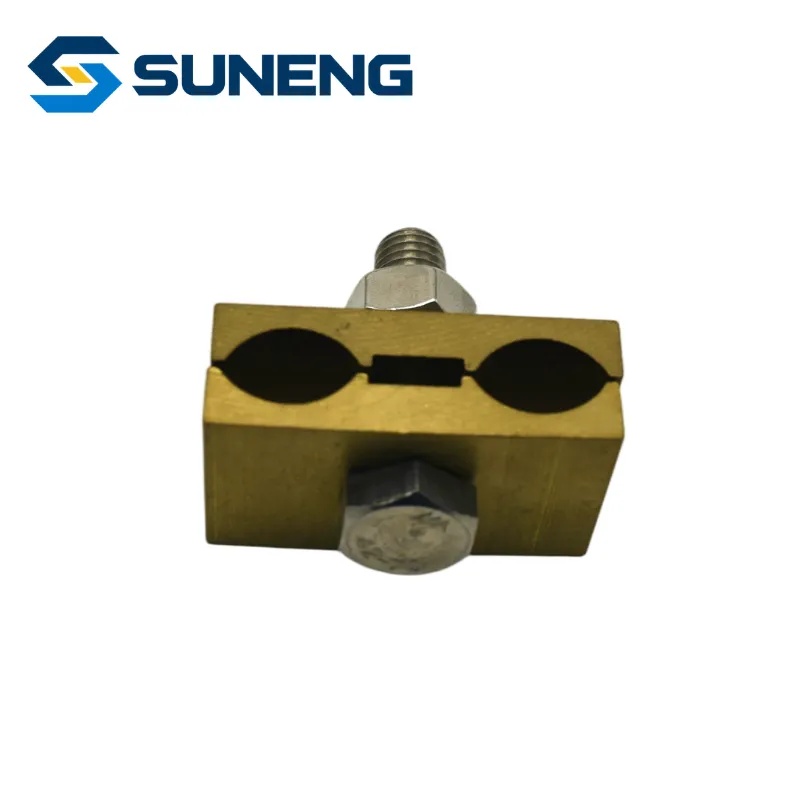
- Conductor material, nominal cross-section, construction and actual diameter; attach the cable datasheet where available.
- Equipment-side dimensions: bolt size, hole spacing, palm width, angle and available installation space.
- For cable terminations: rated voltage, core count, insulation diameter, screen construction and indoor or outdoor use.
- Installation tooling already available and any required sealing or surface finish.
Overhead-line fittings and insulators
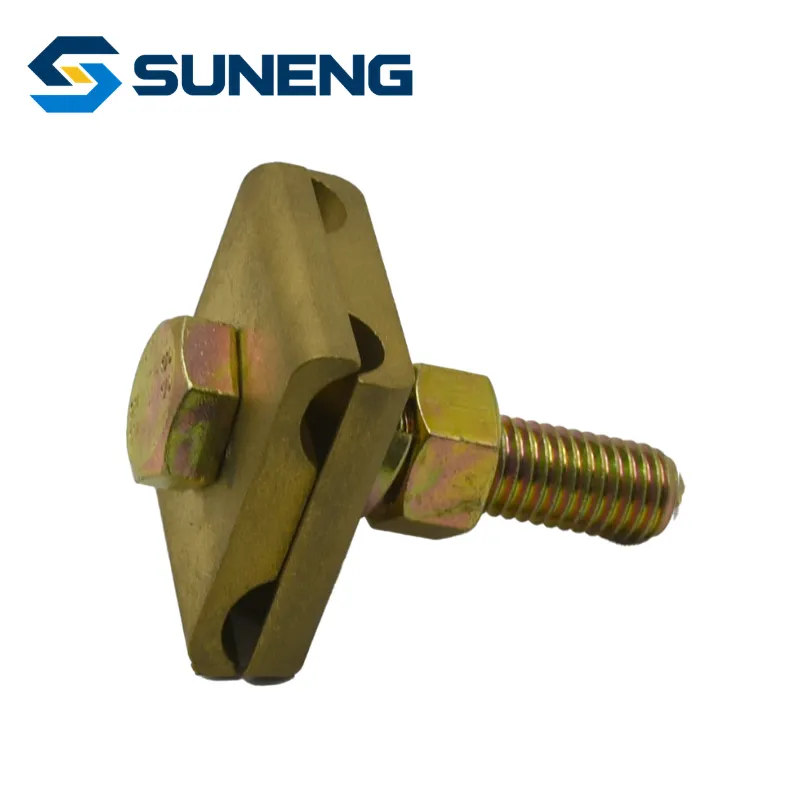
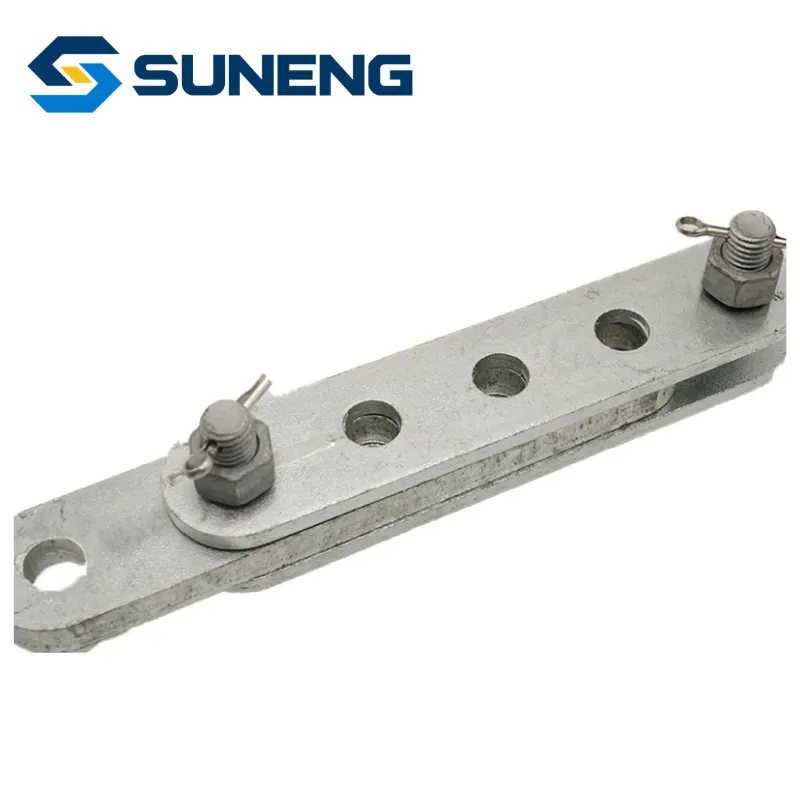
- Conductor designation and diameter, assembly drawing, attachment dimensions and intended suspension or tension function.
- Specified mechanical and electrical requirements, applicable standard and edition, and any utility-specific drawing.
- Site conditions that affect the review, including altitude, temperature, pollution, corrosion exposure and ice or wind requirements from the project designer.
Transformers and switchgear components
- Transformer capacity, voltage ratio, frequency, vector group, tapping requirements and installation conditions.
- For switching equipment: required switching function, rated voltage and current, fault-duty requirements, mechanism, control supply and interlocking interfaces.
- Connection arrangement, dimensional restrictions, accessories and the boundary between the supplier’s equipment and the customer’s installation.
No complete drawing? Separate what is fixed from what is open
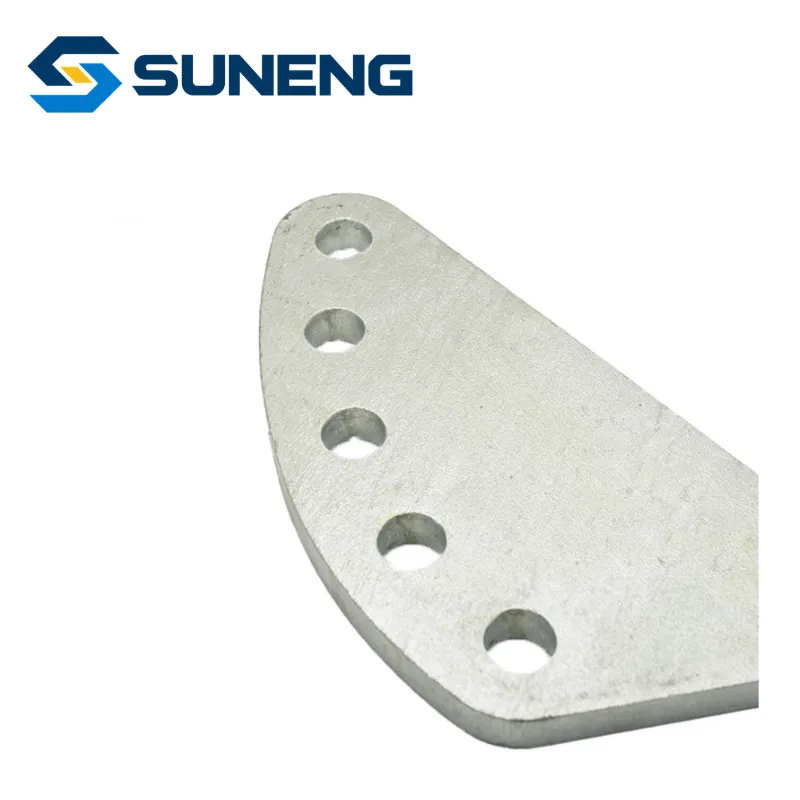
For a non-standard part, send the dimensions that cannot change, the function it must perform and the quantity required for samples and production. An annotated photograph or reference sample can start the discussion. It does not establish hidden dimensions, material properties or electrical ratings.
Ask for a proposed drawing and a list of assumptions before approving manufacture. Quote prototype cost, tooling cost, unit price and any inspection or testing separately. Confirm who approves the sample, which drawing revision production will follow, and how later changes affect price and timing. See our OEM/ODM development capabilities for the route from parameters to a production part.
Make the quotations comparable before comparing prices
Use the following questions when reviewing each offer:
- Technical match: Is the proposed model confirmed, or is it an alternative awaiting approval? Are deviations listed explicitly?
- Scope: Are matching nuts, bolts, washers, covers, connectors and other required accessories included?
- Evidence: Which drawings, material records and test documents are included, and which require a separate arrangement?
- Commercial basis: Are currency, delivery term, named place, packing, quotation validity and exclusions stated?
- Schedule: Does lead time start at order confirmation, drawing approval, sample approval or another agreed milestone?
A short enquiry you can reuse
Please quote against the attached BOM references and identify the proposed model and drawing revision for each line. List any technical deviations, excluded accessories and information needed for confirmation. Separate sample/tooling costs from production prices, and state the documents, packing, delivery basis and approval milestones included.
SUNENG supplies power T&D equipment and custom electrical components through one enquiry route. Send your confirmed requirements and unresolved questions together; we can review standard options and the parts that need development. For mixed packages, use our mixed-BOM supply guide. For document checks, read how to review technical evidence.