A mixed material list is rarely ready for a like-for-like quotation simply because every line has a quantity. Some descriptions omit an interface; some accessories are implied rather than listed; others refer to an old manufacturer’s code. Resolve those gaps systematically before turning several quotes into one purchase order.
Keep the customer’s item reference throughout the process
Assign or retain a stable reference for every line. Keep the original description beside the proposed supply description, so a clarified item does not lose its connection to the original request. When an item is split into an assembly and its accessories, show the relationship rather than quietly adding or removing lines.
| BOM field | How it prevents ambiguity |
|---|---|
| Customer item reference | Connects enquiries, quotations, drawings, approvals and packing lists. |
| Original requirement and proposed item | Shows exactly what the supplier is offering against the request. |
| Quantity and unit basis | Distinguishes a complete set, an individual part, a length or another defined unit. |
| Included and excluded accessories | Prevents an assembly description from hiding missing hardware. |
| Open question or deviation | Separates confirmed supply from assumptions still awaiting approval. |
| Supporting document and revision | Ties the offer to the drawing/specification actually reviewed. |
Separate clarifications from substitutions
A clarification fills a gap in the requirement. A substitution proposes a different product or route. Do not allow a substitute to become accepted merely because its name is similar or its price is lower. Request the relevant drawing and specification comparison, then obtain the required customer approval.
Use a simple status for each item: ready to quote, information required, proposed deviation awaiting review, or confirmed. These are working statuses, not claims that SUNENG has independently approved the customer’s installation design.
Price the same supply boundary
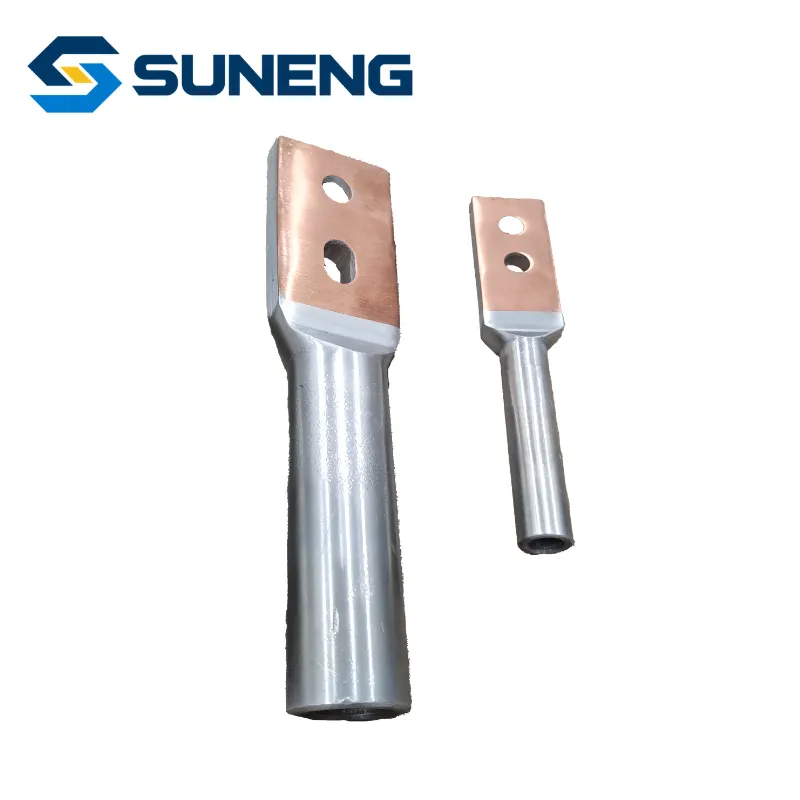
Compare the quoted unit, accessory scope, inspection requirements, packing and delivery basis. A terminal with associated hardware and documentation is not necessarily the same commercial item as a bare terminal. Where an optional item or extra verification is needed, show it separately and ask who will supply or arrange it.
- Ask the customer which assemblies must arrive together and which can be shipped separately.
- Identify sample or document approvals that must be completed before production release.
- Record an agreed change against the item reference and revision, not only in a chat message.
- Carry the accepted item identification into inspection and packing documents.
Use technical support where it removes a real blockage
A useful technical discussion ends with a resolved question, an identified missing input or a documented next action. Examples include confirming which drawing governs an interface, identifying the documents needed for a proposed equivalent, or arranging a sample review for a non-standard item. It should not add another generic presentation between the customer and the answer.
SUNENG can coordinate product and supplier-side technical communication across its manufacturing network. Online guidance can support the review. Overseas site support requires a separately confirmed scope, schedule and working conditions; it is not automatically included in every mixed order.
What to send—even when the list is incomplete
Send the original spreadsheet without deleting uncertain items. Attach the drawings or specifications already available, identify the destination and required schedule, and mark which quantities or interfaces are provisional. We can then distinguish what is ready for quotation from what needs a technical clarification.
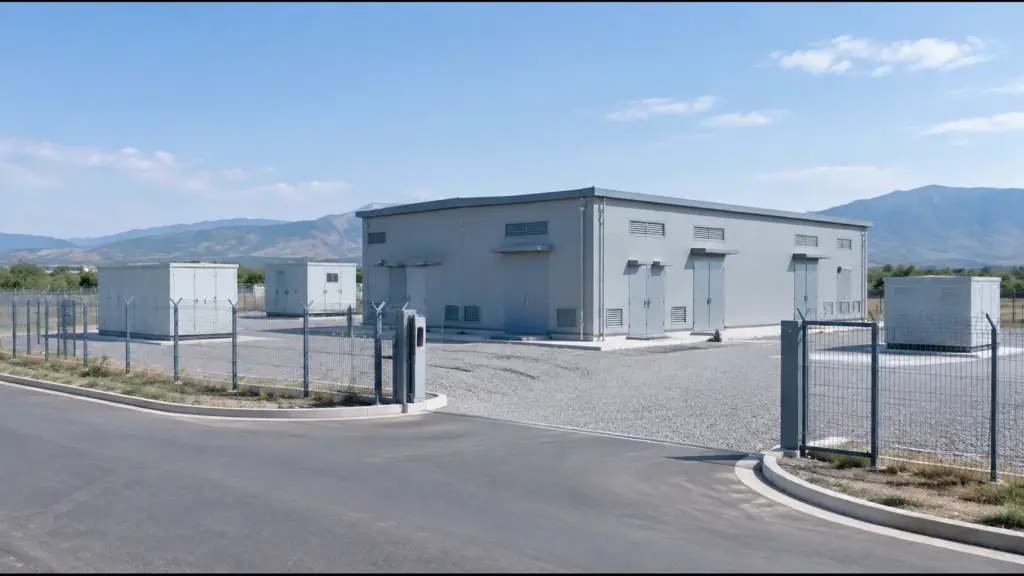
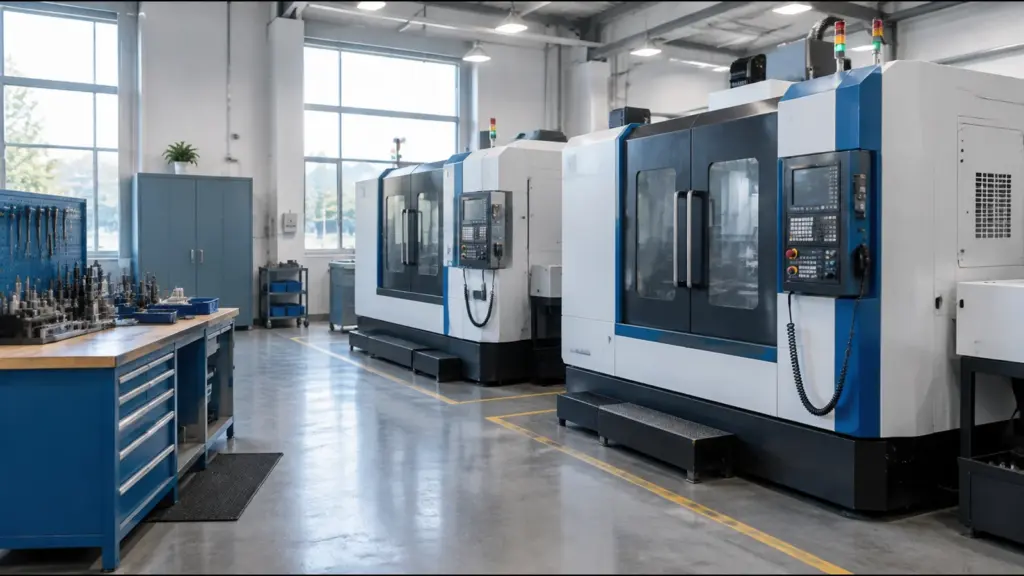
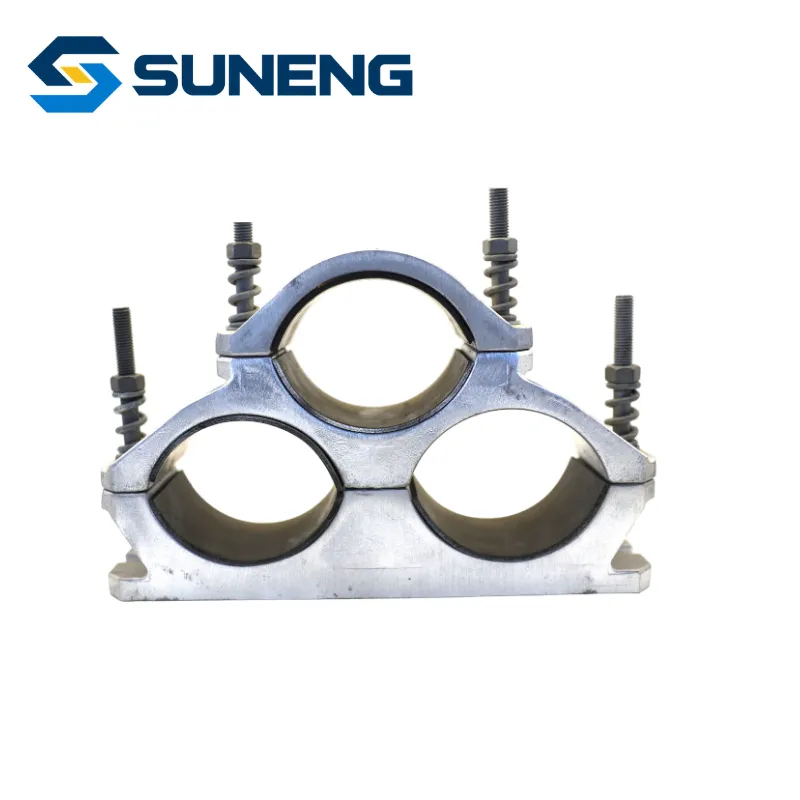
Start with the product catalogue for known items, the custom-development route for non-standard components and the manufacturing network for supplied workshop evidence. Related product links are reference items only, not an automatically completed project BOM.
Do I need a complete engineering package before contacting you? No. A partial list can start the discussion. The important point is to preserve unknowns as unknowns until they are resolved.
Does one-stop supply remove the need for technical approval? No. It simplifies coordination while the applicable product, interface and project approvals still need to be completed.