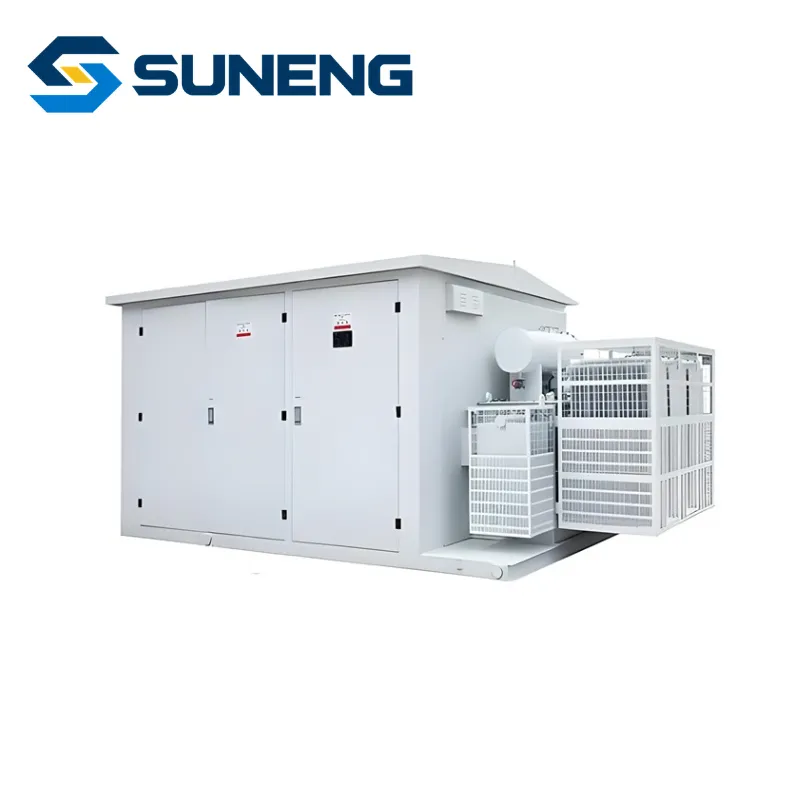
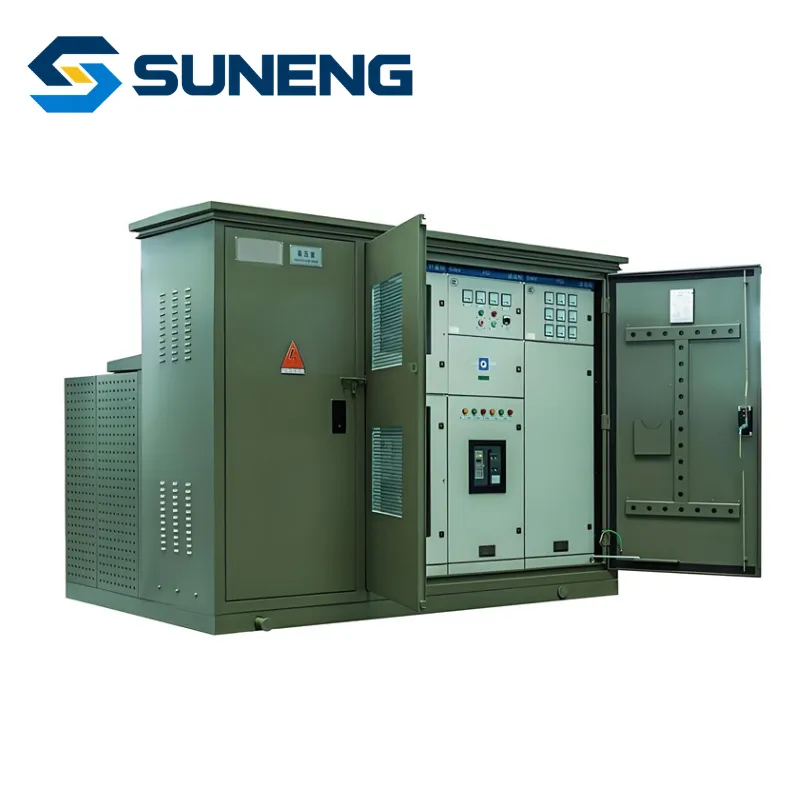
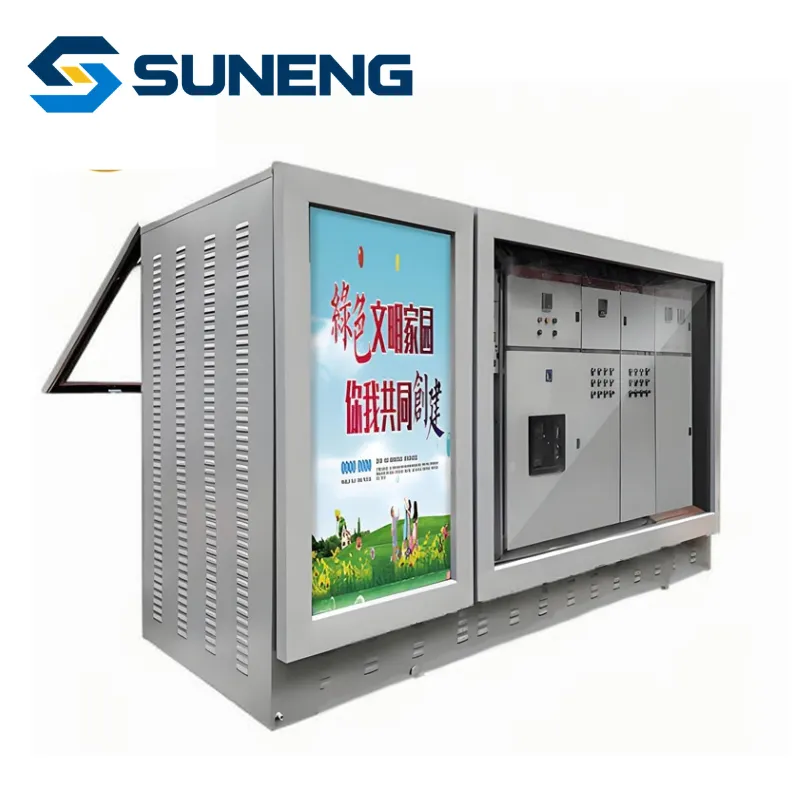
A prefabricated substation quotation is useful only when suppliers are pricing the same electrical scope and site interfaces. A label such as “Chinese box type” or “European type” does not by itself define the transformer, switchgear, enclosure or test package. Use the checklist below to send a comparable request for quotation (RFQ).
Start with a one-line diagram and a scope boundary
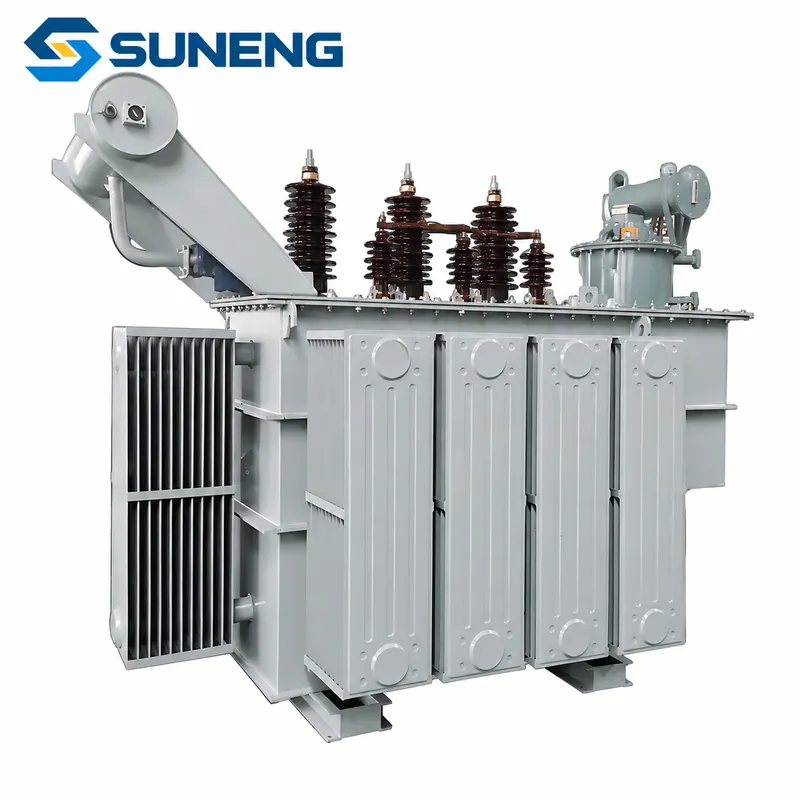
Show the incoming supply, high-voltage switching and protection, transformer, low-voltage distribution, metering and outgoing feeders. Mark which items the supplier must provide and which remain with the utility, civil contractor or installer. If the one-line diagram is not final, label each undecided item as an option rather than allowing suppliers to assume different scopes.
Give the electrical inputs that control selection
- System voltage and frequency, transformer capacity and voltage ratio required by the project.
- Available fault level, protection philosophy and the utility’s connection requirements.
- Number and type of incoming and outgoing circuits, metering and monitoring needs.
- Required transformer technology and any loss, noise or fire-safety limits specified by the buyer.
Do not use a generic catalogue rating as the approved value for a project. Ask the supplier to identify the exact equipment models and matching test or compliance documents in its offer.
Describe the site and the enclosure interfaces
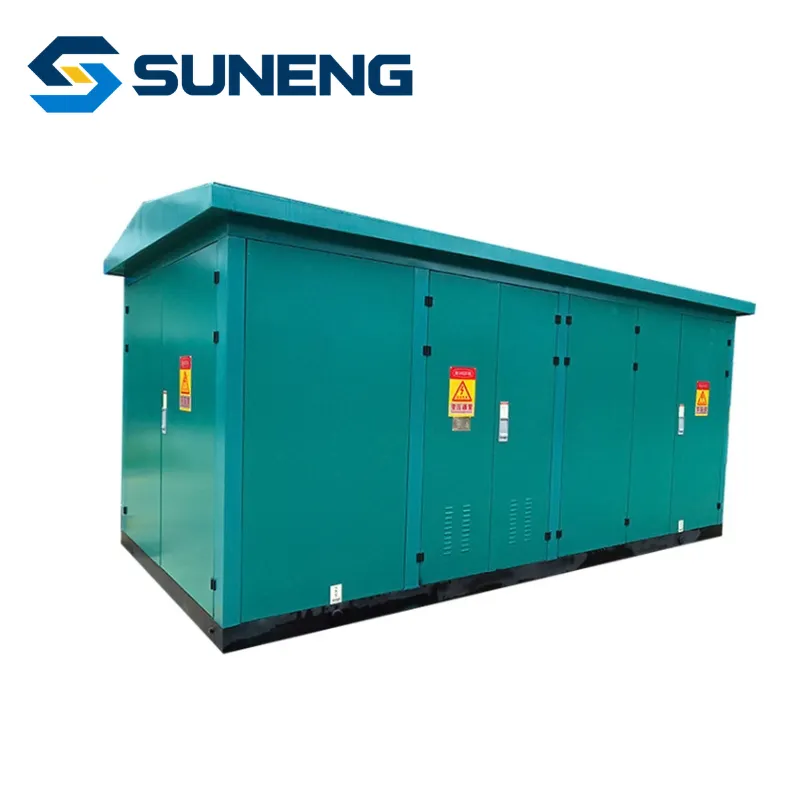
State whether the unit will be outdoors, indoors or in an underground arrangement. Include the installation location, ambient and altitude requirements, exposure to dust, moisture or corrosion, maximum transport envelope, foundation and cable-entry direction, access for operation and maintenance, and any limits on noise or appearance. A supplier needs these inputs before confirming enclosure construction and ventilation.
Use series names as starting points, not substitutes for drawings
The current catalogue includes YBW prefabricated substations, YBH box-type substations, ZGS combined substations and YBD underground landscape-type substations. These are catalogue entry points. For any series, request the proposed general-arrangement drawing, compartment layout and equipment list. Confirm that the quoted unit matches the site and the one-line diagram instead of treating a series name as a complete specification.
Ask for evidence with the quotation
Request a single-line diagram, general-arrangement and foundation drawings, component schedule, cable-entry plan, applicable standard editions, and model-specific test or inspection records. Ask suppliers to identify exclusions, site work, delivery scope, commissioning support and lead time separately. This makes technical differences visible before comparing prices.
A short RFQ format
Project: location, operating environment and required delivery date.
Electrical scope: one-line diagram, transformer requirements, incoming and outgoing circuits, protection and monitoring.
Civil interface: transport limits, foundation, cable entry, access and enclosure constraints.
Approval package: drawings, equipment list, applicable standards and matching test evidence.
Commercial response: inclusions, exclusions, options, lead time and site services.
Browse the prefabricated substation catalogue to identify a starting configuration, then send your one-line diagram and project requirements for a model-specific review.