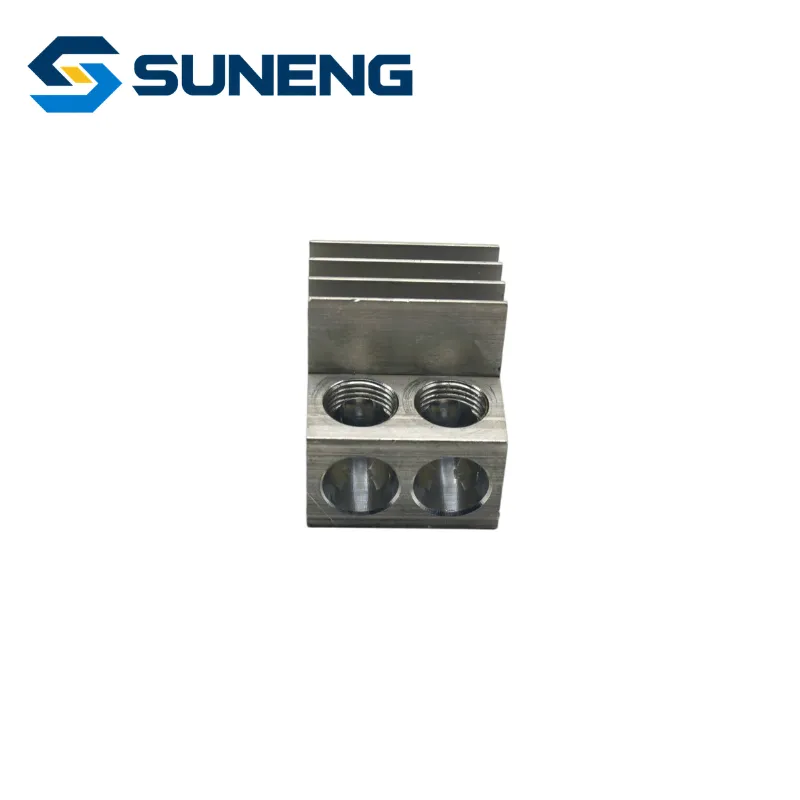
A 3D-printed sample can answer an important question quickly: does the proposed shape fit the available space and match the intended interfaces? It does not automatically prove conductivity, insulation, temperature-rise performance or production strength. Treat the printed sample as one stage in a controlled path from concept to first article.
This workflow is useful for small fittings, terminal blocks, brackets and other custom parts. It is not a substitute for engineering validation of a complete transformer, ring main unit or other large electrical assembly.
Give each sample one clear job
| Stage | What it can prove | What it cannot prove by itself |
|---|---|---|
| 3D-printed appearance sample | Overall shape, visual proportion, access and obvious interference. | Production material properties, conductivity, insulation, temperature rise or final finish. |
| Assembly or fit sample | Mounting centres, mating parts, cable approach and service access. | That a different production material or process will retain every performance requirement. |
| Functional sample | The defined function under agreed test conditions. | Unspecified duties, untested environments or a broader product family. |
| First article | Compliance with the frozen drawing, material, finish and acceptance plan. | Future production lots unless controls and inspection are maintained. |
Freeze the interfaces before approving the shape
Mark the dimensions that cannot change: hole centres, conductor entry, mating face, bolt access, clearance and installation direction. Add tolerances to the drawing rather than approving a printed part by visual comparison alone. If a dimension is not yet known, record it as an open item with an owner and due date.
Use photographs and the printed part to review access and interference, but keep the approved CAD or drawing as the dimensional authority. A print may shrink, warp or use a process-specific finish. Its purpose is to expose design problems early, not to silently redefine the production geometry.
Separate fit checks from electrical and mechanical validation
For an electrical part, define the checks that require the final material and production process. Depending on the part and project, that may include conductor contact, insulation, temperature rise, dielectric performance, mechanical strength, surface finish or environmental resistance. Agree the appropriate checks with the project engineer; do not treat a visual sample as evidence for them.
| Approval item | Record before release | Status to sign |
|---|---|---|
| Design identity | Part number, drawing revision, CAD revision and sample stage. | Approved or returned with marked changes. |
| Material | Production material, grade, treatment and insulation or plating. | Confirmed against quotation and drawing. |
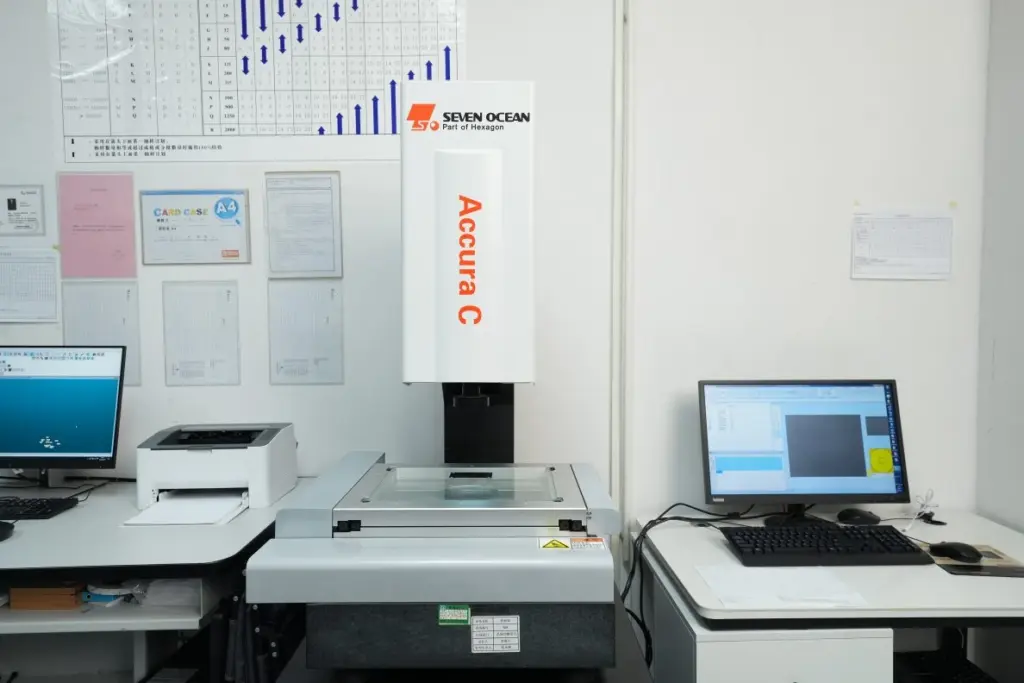
| Critical dimensions | Measured values, tolerances, hole pattern, mating faces and envelope. | Accepted by the responsible reviewer. |
| Performance checks | Required electrical, thermal, mechanical or environmental checks and conditions. | Evidence attached or test responsibility assigned. |
| Change control | Open deviations, correction owner, new revision and re-sample decision. | Closed before production release. |
Use the first article to confirm the production route
If the production part will be CNC-machined, cast, formed or assembled differently from the printed sample, review the features that change with the route. Check wall thickness, edge treatment, surface finish, burr control, inserts, plating and process-dependent tolerance. The first article should use the intended material and a representative production process whenever the requirement depends on them.
Keep a short approval package: the frozen drawing, material record, measured report, photographs of the installed fit, agreed deviations and inspection plan for repeat orders. This prevents a later purchaser from treating an early appearance sample as the complete product specification.
Where SUNENG can shorten the custom-development loop
SUNENG can start from a drawing, parameter list, reference sample or unfinished concept. For small electrical fittings, 3D printing can help confirm external form and installation envelope before CNC machining, tooling or small-batch production. The manufacturing route and performance verification are then selected for the actual part and quantity.
Relevant SUNENG products
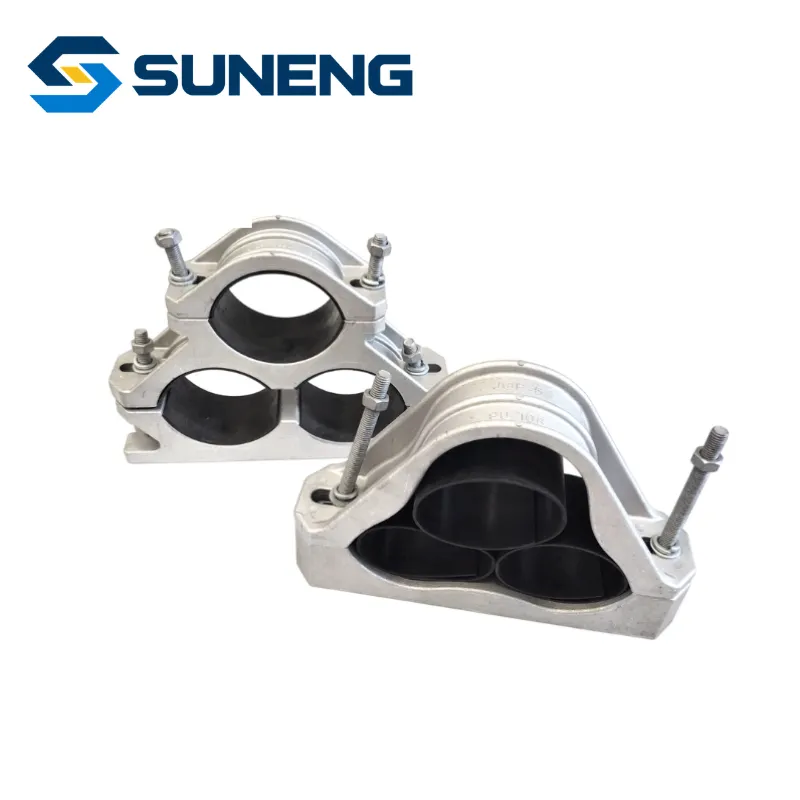
- Jgpd-H Cast Aluminum High Voltage Cable Fixing Clamp for 45-130mm Power Wire
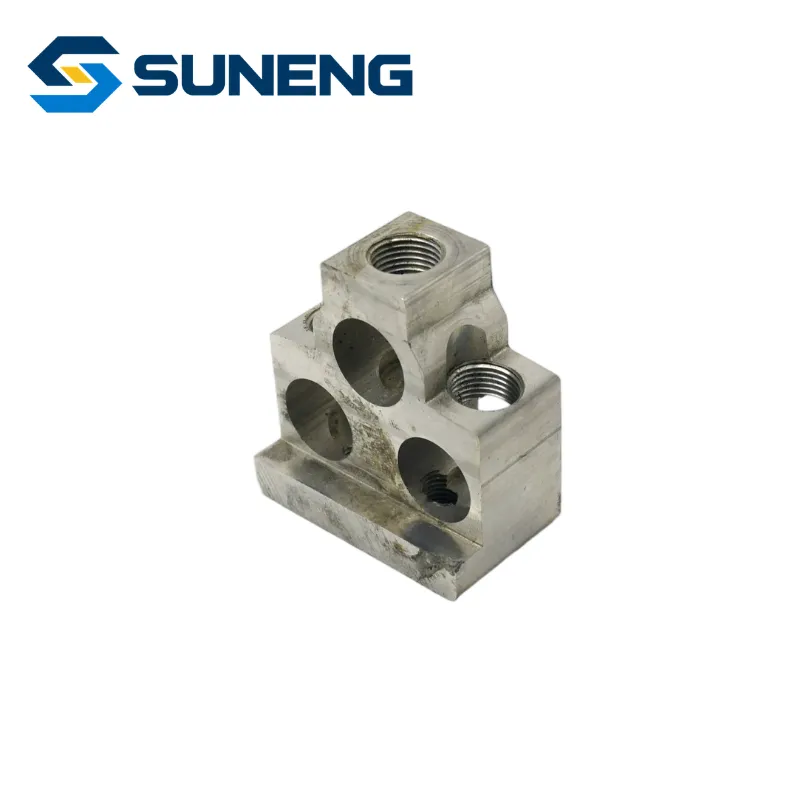
- 3-in-1 CNC 6061-T6 Aluminium Terminal Block Cable Distribution Block Connector Block
- Aluminum Alloy Terminal Block and Cable Distribution Block for Electrical Panels
Review SUNENG custom development and OEM/ODM capability, then send the drawing, parameters, sample stage and quantity. State what the current sample is intended to prove and what still requires engineering validation.