Application & interface
What it connects to, where it fits, how it is installed and the space available.
 Start an Enquiry
Send the basic requirement now. Drawings, BOMs and specifications help us respond more precisely.

Not every requirement starts with a finished drawing. We can begin with the intended function, installation dimensions, operating conditions and performance requirements, then review the development route.
Our technical capabilities support custom electrical components beyond a fixed catalogue. Feasibility, materials, validation and quantities determine the right approach.

Application details and critical interfaces guide structural design and production drawings. A reference sample or photographs can help explain a feature, but the dimensions and performance requirements still need confirmation.
For suitable small fittings, 3D-printed shape samples can make appearance and fit easier to review. They are not substitutes for final-material electrical, mechanical or environmental verification.
Develop without a complete drawing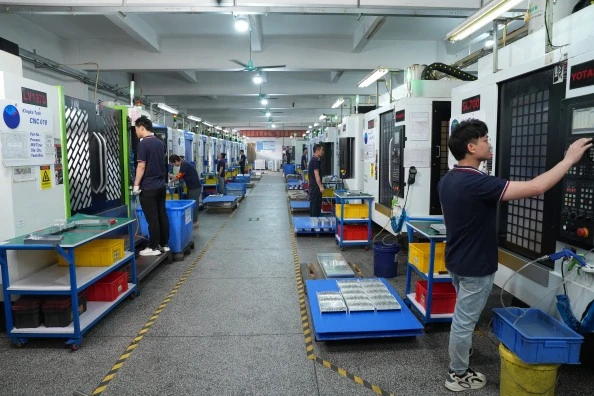
CNC machining, tooling and forming serve different geometries, materials and quantities. Reviewing the part and its order volume together helps decide how to approach prototypes and production.
Small-batch custom parts can be discussed alongside repeat volume requirements. Confirm the drawing revision, surface requirements, sample acceptance and inspection needs before moving forward.
Explore prototyping and production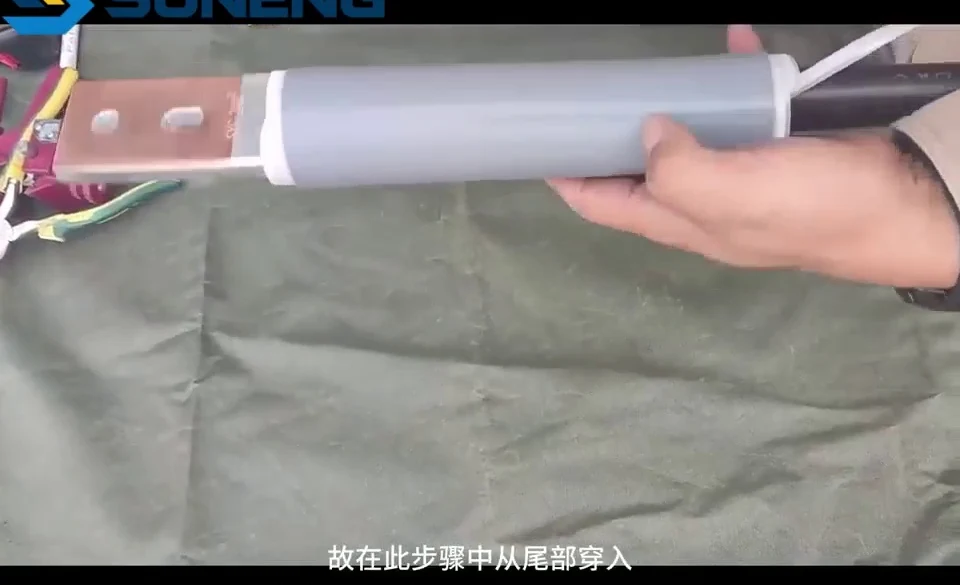
The SYG-ZQ series uses a copper-aluminium metallurgical composite process. The production-ready process can be considered for different fitting forms involving copper-aluminium transitions and connections.
Development focuses on connection reliability, bending behaviour and electrical losses. The geometry, loading and required verification must be reviewed for the proposed application.
Available SYG temperature-rise records are in-house raw data sheets. They do not establish a percentage advantage over other joining methods.
Explore copper-aluminium bondingWhat it connects to, where it fits, how it is installed and the space available.
Required electrical and mechanical performance, environment and material restrictions.
Sample quantities, expected volume, target timing and how the final part will be accepted.
A drawing is useful. Your application, installation dimensions and performance requirements are enough to start the discussion.