An equipment offer can look complete while leaving important interfaces or accessories outside its scope. For replacement, extension or new supply, the first task is to distinguish the item itself from everything needed to integrate it into the customer’s confirmed design. This guide is a procurement boundary checklist, not a substitute for equipment-specific engineering.
Begin with the installation requirement, not a catalogue title
Send the relevant project specification, equipment schedule and approved drawings available to you. Identify whether the purchase is a replacement, an extension or part of a new installation. Record the existing equipment information when it constrains the new supply. Do not assume that matching the headline voltage or capacity establishes compatibility.
| Boundary | Confirm before comparing offers |
|---|---|
| Equipment definition | Exact product type, specified ratings, configuration and applicable project requirements. |
| Physical interface | Installation arrangement, available dimensions, connection locations and any restrictions on replacement or access. |
| Electrical interfaces | The project information needed to review the proposed equipment against the intended system; identify the party responsible for approval. |
| Included accessories | An itemised list showing included, optional, customer-supplied and excluded items. |
| Documentation and acceptance | Drawing approval, required records, inspection/witness requirements and any third-party verification. |
| Delivery boundary | Packing, destination, agreed transport responsibility, shipment constraints and delivery sequence. |
Keep transformer and switchgear requirements separate
A transformer schedule and a ring main unit schedule are not interchangeable. They may belong to one procurement package, but each needs its own specification, drawings and acceptance documents. Link the schedules through an interface list rather than collapsing them into a single generic “distribution equipment” request.
For a transformer enquiry, send the available nameplate/specification and installation information. For a switchgear enquiry, send its equipment schedule and the system/interface documents required by the responsible engineer. Where information is incomplete, request a clarification list before accepting an assumed configuration.

Use one deviation register across suppliers
Ask each supplier to identify any difference from the requested specification and state whether it affects the product, accessory list, documentation or delivery scope. Keep an unresolved deviation visible until the customer’s responsible party accepts it. “Compliant” should not hide a missing attachment or an assumption about the interface.
- Give each quoted item a stable reference that matches the procurement schedule.
- Separate the equipment price from optional accessories or additional verification so totals remain comparable.
- Identify documents required before manufacture and documents delivered with the order.
- Confirm that drawing revisions used for approval match the quotation and the released equipment.
How SUNENG supports your supply
SUNENG supplies equipment and supporting accessories through one supplier, with technical clarification, inspection documents and delivery requirements agreed for the order. Product supply and technical support do not replace approval of the customer’s electrical system by the appointed engineer. Overseas on-site support is arranged only for suitable confirmed requirements, schedules and working conditions.
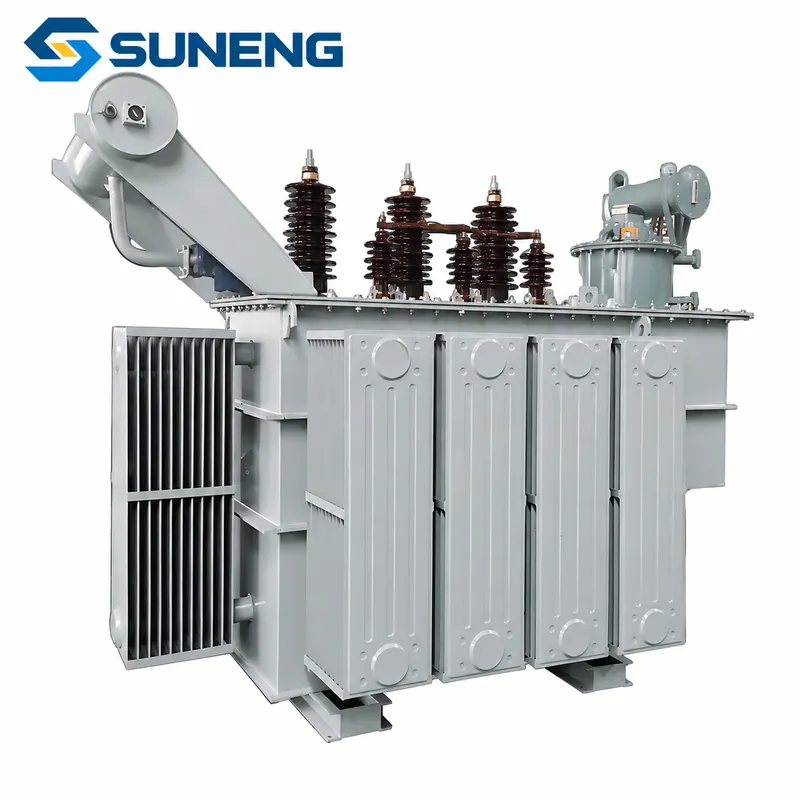
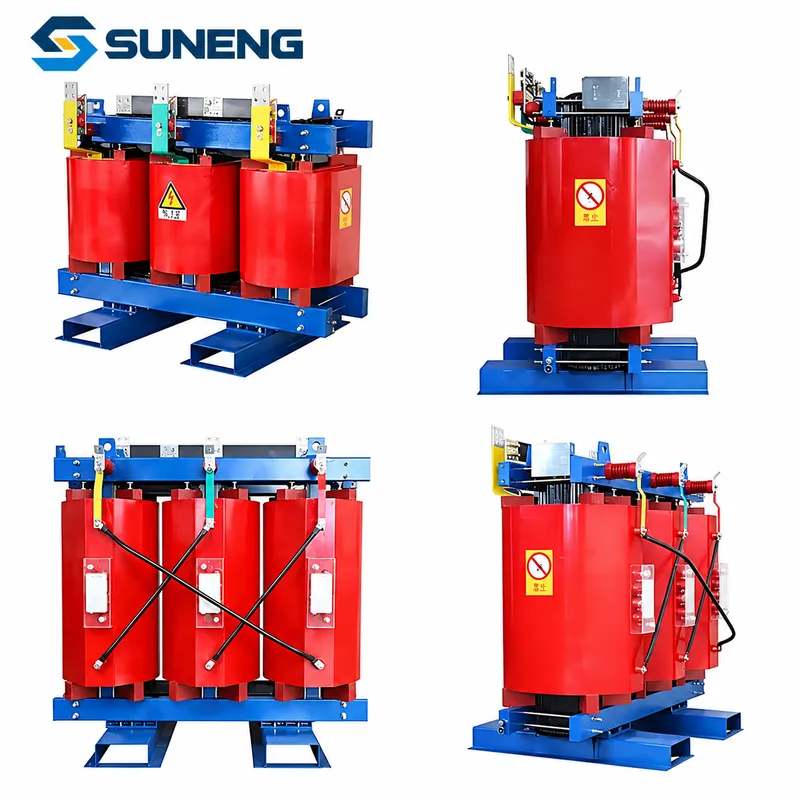
Review the 35 kV oil-immersed transformer reference, dry-type transformer reference and ring main unit range separately. Send the item schedule, drawings, required documents, quantity and destination with your enquiry; identify which requirements are fixed and which need clarification.
Can one purchase include several equipment types? Yes, equipment types can be supplied through one order while keeping each technical scope and interface clearly identified.
What if the existing equipment cannot be identified? Supply the available markings, photographs and approved installation information. Treat missing data as a clarification task, not permission to guess a replacement.
Agree which technical reference applies
The official scope of IEC 60076-1 covers power transformers, while IEC 62271-200 addresses AC metal-enclosed switchgear above 1 kV and up to 52 kV. These are different product frameworks, not interchangeable descriptions of a complete supply package. Ask the responsible technical party to specify the applicable edition, local requirements and required evidence for each item. Linking a standard does not claim that every SUNENG product is certified to it.