The challenge is often not finding a flexible connection in a catalogue. It is specifying one that can be assembled in the available space without leaving the connection ends, routing or validation requirements to guesswork. Begin with the two interfaces and the installation envelope, not with the apparent width of a product in a photograph.
Define both ends before discussing the middle
Provide a labelled drawing or sketch of both connection faces. Include their relative positions, orientation and mounting dimensions. State which features are fixed and which can be changed. Photographs are useful context, but dimensions should come from an agreed measurement or drawing reference.
| Input | Question it should resolve |
|---|---|
| Connection faces | What must mate at each end, and which hole pattern, contact area and material details are specified? |
| Available routing space | What can the connection occupy in the installed assembly, and what must remain accessible? |
| Movement requirement | Is the part intended for assembly accommodation, stated movement during use, or another defined purpose? Provide the applicable duty information. |
| Electrical and environment requirements | What current, operating conditions, insulation requirements and acceptance documents are specified by the project? |
| Production and inspection scope | What quantity, dimensional checks, samples and records must be included in the offer? |
Do not approve the electrical design from a photograph
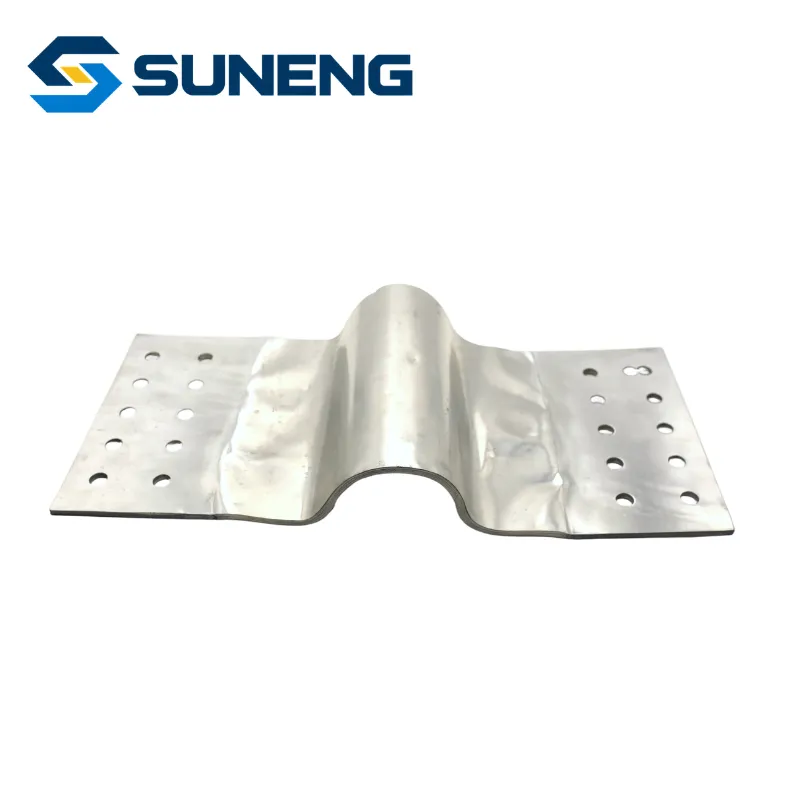
A product photograph can help communicate form, but it does not establish current capability or suitability for a new assembly. Those questions require the specified duty, proposed materials and geometry, installation conditions and an appropriate validation basis. If essential information is missing, keep the quotation or drawing marked for review rather than treating an assumed value as customer approval.
Make alternative proposals comparable
If the manufacturer offers alternative structures, ask each proposal to identify the end connections, installed envelope, material, insulation scope and verification route. A visually smaller option may not represent the same requirement. Keep differences visible in a comparison sheet instead of asking only which option has the lowest unit price.

Agree what the sample must demonstrate
- Interface review: confirm the drawing revision and the two mating ends before arranging a sample.
- Fit review: compare the sample with the defined envelope and agreed assembly requirements; record deviations.
- Performance review: use the specified material, construction and relevant verification. A satisfactory visual fit does not settle the performance question.
- Batch release: retain the approved reference and agree inspection, identification and packing requirements for repeatability.
If a change is requested after the sample has been approved, update the drawing and identify which previous checks remain applicable. Avoid shipping a batch described only as “the same as the photo”: the controlled specification must identify the accepted part.
Send a request the manufacturer can act on
Attach the two interface sketches, the installed-space drawing, specified duty, material/insulation requirements, quantity and intended acceptance documents. The flexible busbar and soft-connection product page is a reference for the product family. The manufacturing-network gallery provides workshop context, while OEM/ODM development explains the broader review route.
Can you work from a sketch? A labelled sketch can start the discussion. Missing interfaces and performance requirements still need to be resolved before a production definition is approved.
Does flexibility mean any bend or movement is acceptable? No. Describe the intended installation and movement requirement explicitly so the proposed construction and verification can be reviewed for that use.