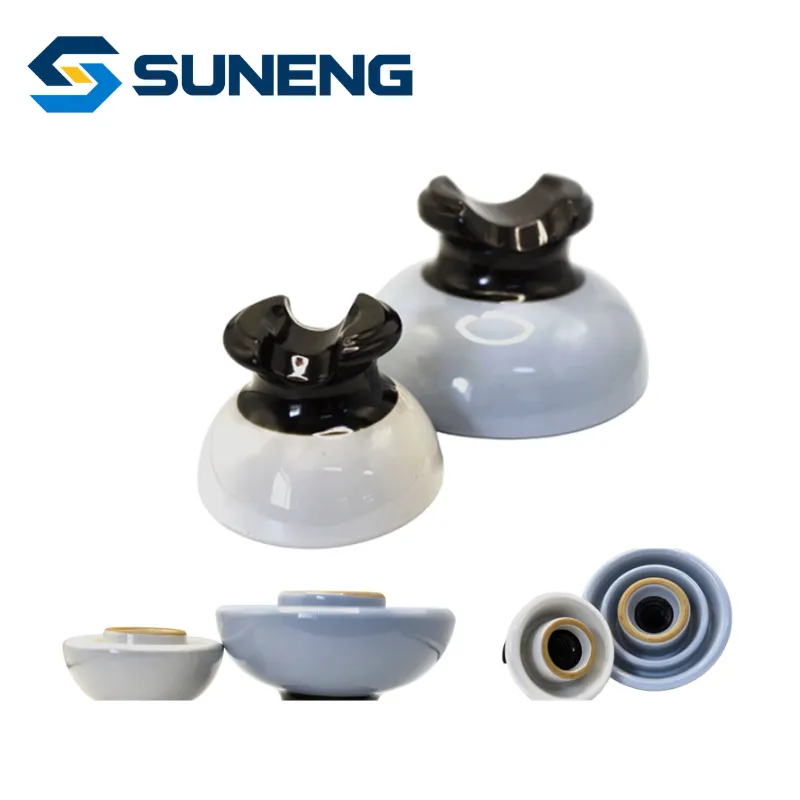
A replacement insulator should not be approved from the voltage label alone. A 33 kV candidate may still differ in creepage distance, mechanical class, connection geometry and environmental suitability. The safest comparison starts with the existing installation and the duty it must continue to perform.
Use this guide when an original insulator is unavailable, a project is changing suppliers, or a buyer needs an equivalent for an existing line. It is a comparison framework, not an automatic substitution approval.
Separate the electrical and mechanical questions
Record the system voltage and insulation requirements separately from the mechanical load and interface. The voltage marking identifies only one part of the application. A candidate must also fit the conductor arrangement, hardware and support structure without changing the approved clearances or load path.
| Check first | What the buyer should send | What must be confirmed |
|---|---|---|
| Electrical duty | System voltage, frequency, insulation level and project specification. | Candidate ratings and the design basis used for the offer. |
| Creepage and clearance | Pollution exposure, altitude, site conditions and existing dimensions. | Required creepage, external clearances and application fit. |
| Mechanical load | Vertical, longitudinal and transverse loads or the design load case. | Mechanical class, safety factors and load direction. |
| Connection geometry | Base, pin, cap, bolt pattern, conductor clamp and hardware drawings. | Hole centres, thread or pin dimensions, stack height and access. |
| Environment | Indoor or outdoor use, altitude, dust, salt, ice, wind and temperature. | Material, profile and protection suitable for the actual site. |
| Evidence | Existing nameplate, drawings, photographs and required documents. | Product data, drawings, test records and acceptance items. |
Measure the old part before asking for an equivalent
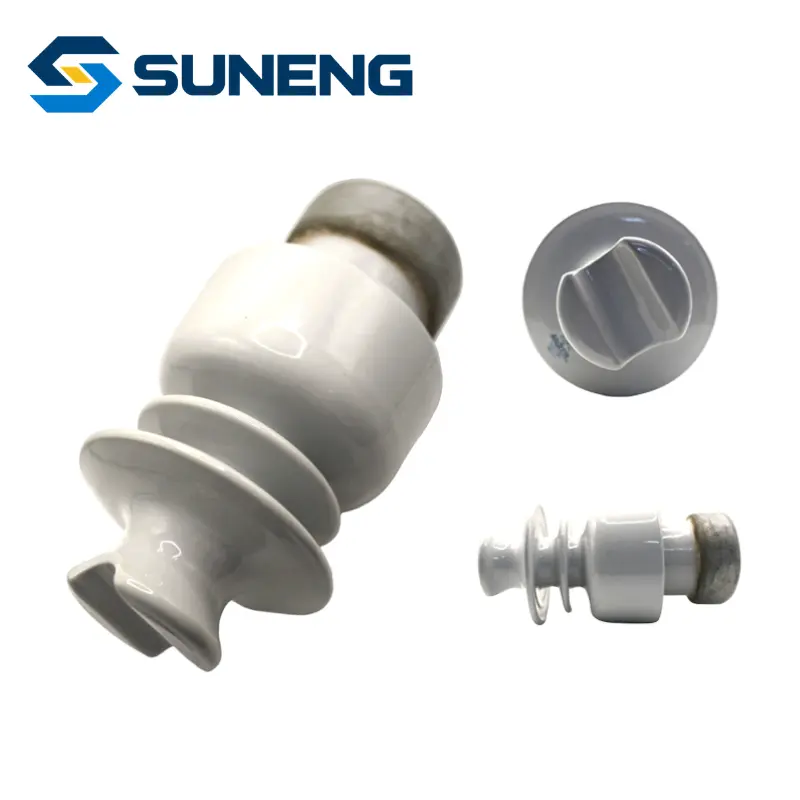
Photographs help identify the assembly but rarely capture the dimensions that determine fit. Measure the overall height, mounting centres, connection points, hardware envelope and the position of the conductor or fitting. Mark each measurement on a sketch and state which dimensions are fixed by the existing structure.
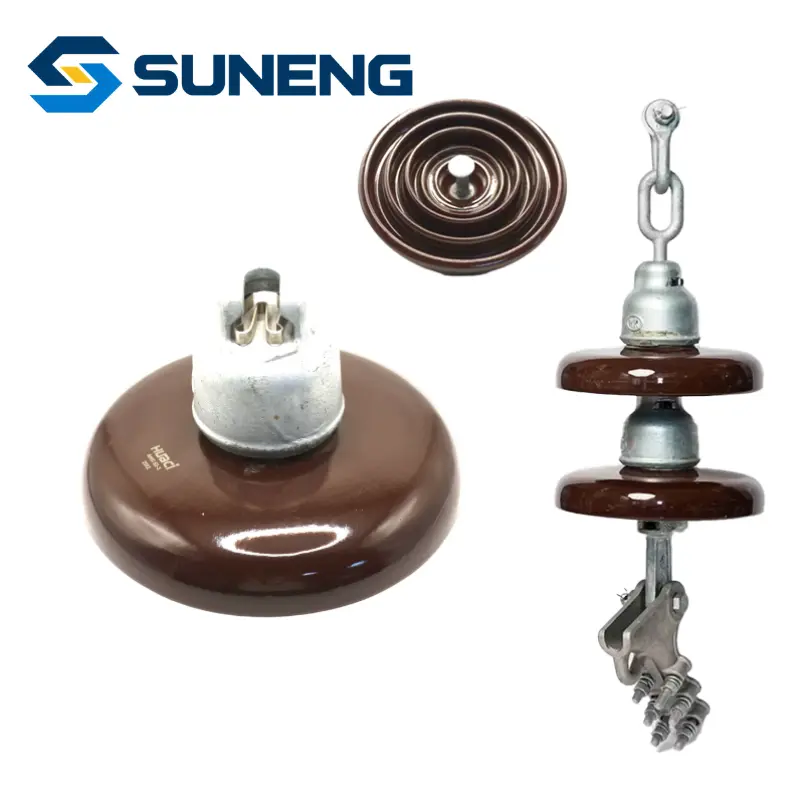
For a line-post or pin-type arrangement, include the mounting interface and the top fitting. For a suspension or strain arrangement, include the attachment hardware, load direction and clearance envelope under the normal and abnormal load cases. If the insulator is part of a metal fitting assembly, send the mating fitting drawing as well as the insulator reference.
Do not treat material as a simple upgrade decision
Porcelain and composite insulators can serve different applications and may use different interfaces, profiles and inspection requirements. The question is not whether one material is universally better. Compare the actual pollution, mechanical, installation and maintenance conditions with the candidate’s documented design.
A similar-looking body is not enough evidence of equivalence. Changes in shed profile, end fittings, housing length or hardware can change the installation envelope even when the voltage label appears familiar.
Review the replacement as a system
- Match the conductor hardware, clamp, bolt set and attachment fitting to the proposed insulator.
- Confirm phase-to-earth and phase-to-phase clearances after installation, not only catalogue dimensions.
- Check whether the existing structure, bracket or cross-arm accepts the new load path and hardware.
- Record the drawing revision and candidate model used for the comparison.
- Obtain project-engineer approval for any deviation from the original arrangement before ordering.
When the catalogue does not give an exact replacement
SUNENG can review porcelain, composite and associated line-hardware requirements together. If no catalogue model matches, send the existing dimensions, load case, site environment, voltage, quantity and photographs of the mating assembly. A replacement drawing or custom connection can then be reviewed before production.
Relevant SUNENG products
- 24PC(600) Electrical Ceramic Line Post Insulator Porcelain 33kv Insulators
- ANSI 52-3 Electrical Ceramic Suspension Disc Insulator Porcelain 11kv-33kv Insulator
- ANSI 55-5 C29.5 Porcelain Pin Type Insulator Ceramic Insulator for 11-33kv Distribution Lines
Send the existing insulator drawing, site conditions and required quantity for a replacement review. Please identify which dimensions and performance requirements cannot change.