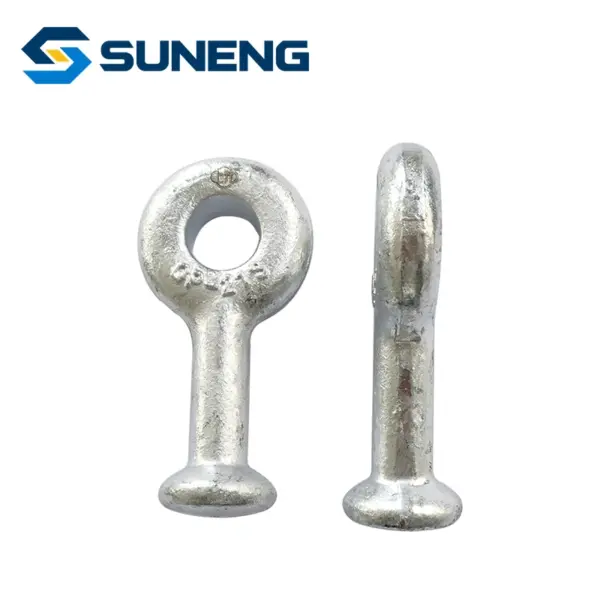
Q / QP Ball Eye Link Fittings
Product Overview
Ball head hanging ring is a type of electrical hardware mainly used for connecting suspended insulator strings in overhead power lines and substations.
Share the model, quantity, drawing, destination and project requirement for a focused response.
Product Overview
As a premier manufacturer and trusted supplier of advanced power line hardware, we present the meticulously engineered Ball Head Hanging Ring. Designed to serve as a critical junction in complex electrical networks, this connecting fitting ensures seamless, secure integration within high-tension environments. By prioritizing structural integrity and precise dimensional tolerances, this component minimizes maintenance overhead while maximizing the operational lifespan of your grid infrastructure.
-
Constructed from premium forged steel with a highly durable hot-dip galvanized finish.
-
Specifically engineered to eliminate point contact and prevent dangerous stress concentration.
-
Available in versatile configurations including Q-type, QP-type, and QH-type models.
-
Robust load-bearing capabilities with a nominal failure load ranging from 70 KN to 320 KN.
Product Description
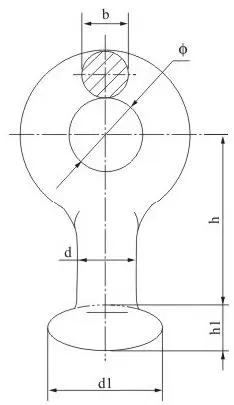
Product Specifications
|
Parameter |
Specification Details |
|---|---|
|
Product Name |
Ball Head Hanging Ring / Ball Head Shackle |
|
Model Type |
Q-type, QP-type, QH-type |
|
Material |
Forged Steel / Hot-dip Galvanized Steel |
|
Surface Treatment |
Hot-dip Galvanization |
|
Application |
Overhead power lines, substations, suspension insulator strings |
|
Core Function |
Connecting socket on steel nuts to ball & socket-shaped suspension insulators, avoiding point contact stress concentration |
|
Nominal Failure Load |
70 KN – 320 KN (varies by specific model) |
|
Weight Range |
0.27 KG – 1.3 KG (varies by specific model) |
|
Color |
Silver |
Key Features & Highlights
Upgrading your transmission line hardware requires components that do more than merely connect; they must actively protect the grid’s structural and electrical integrity. Our hanging rings are meticulously crafted to deliver exceptional performance under the most demanding environmental and mechanical conditions, solving complex engineering challenges before they manifest into system failures.
-
Optimized Load Distribution: By ensuring perfect ball and socket coordination, the geometric design inherently prevents localized stress fractures, significantly extending the lifespan of the entire insulator string.
-
Defect-Free Surface Craftsmanship: The smooth, silver finish is not merely aesthetic; it eliminates microscopic surface flaws and crevices where frost cracking or destructive oxidation typically initiate.
-
Vibration and Sway Resistance: The robust mass and aerodynamic profile dampen the detrimental effects of wind-induced conductor motion, protecting the core wire from long-term mechanical fatigue.
-
Thermal Stability: Engineered to maintain absolute structural integrity even when subjected to severe temperature fluctuations, effectively preventing electric spark burns and overheating problems associated with inferior fittings.
Comprehensive Performance Dimensions
Material & Anti-Corrosion
Manufactured from high-strength forged steel and subjected to a rigorous hot-dip galvanization process. This creates an impenetrable, rust-proof barrier that withstands severe outdoor environments, preventing frost cracking and corrosion while significantly reducing replacement frequency.
Mechanical Strength & Load Capacity
Offering nominal failure load options from 70 KN up to a massive 320 KN. The hardware strength precisely matches the maximum operating stress of the conductor, easily bearing extreme mechanical tension to safeguard the transmission network under heavy ice or wind loads.
System Adaptability & Compatibility
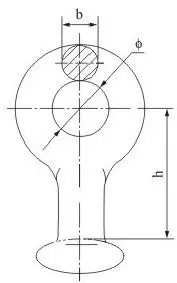
Available in standard models including Q-type, QP-type, and QH-type. The dimensional specifications comply with stringent international grid standards, enabling high-precision coordination with steel nut sockets, directional holes, and tower cross arms for diverse substation and overhead line projects.
Installation & Operational Safety
Scientifically designed for streamlined assembly. During bolted connections, it effectively avoids unnecessary bending moments on bolts caused by excessive crotch opening. It also mitigates volume expansion from rust, electric spark burns, and overheating, drastically enhancing transmission stability.
Frequently Asked Questions (FAQ)
Navigating the technical specifications and installation protocols of overhead power line fittings requires precise knowledge. Below are detailed, expert answers to common engineering inquiries regarding the deployment and maintenance of our hanging rings.
-
Q: How to avoid stress concentration when connecting metal fittings?
A: When connecting metal fittings, point contact should be avoided as much as possible to prevent stress concentration. If bolted connections are used, unnecessary bending moments on the bolts due to excessive crotch opening should also be avoided. -
Q: What are the common faults of connecting fittings?
A: Common faults of circuit fittings include wear, frost cracking, corrosion, and rusting. These faults may lead to the fracture and failure of metal fittings, increase in volume and support of metal fittings, electric spark burn and overheating problems. -
Q: How do you ensure the strength matching between the fitting and the conductor?
A: The strength of the fittings needs to be matched with the maximum operating stress of the wire. We provide a broad range of nominal failure loads (from 70 KN to 320 KN) to ensure engineers can select the exact specification required, paying special attention to the critical first fitting in the insulator string. -
Q: What is the significance of the hot-dip galvanization on these rings?
A: Hot-dip galvanization creates a metallurgical bond between the forged steel and the zinc coating, providing a robust, self-healing shield against moisture, chemical pollutants, and saline environments. This permanently prevents the rusting and corrosion that typically lead to volume expansion and eventual hardware failure.
Inquiry Now
Send the model, drawing, BOM or project specification. Our team will respond around the actual selection points.
Open Full Enquiry PageRelated Products
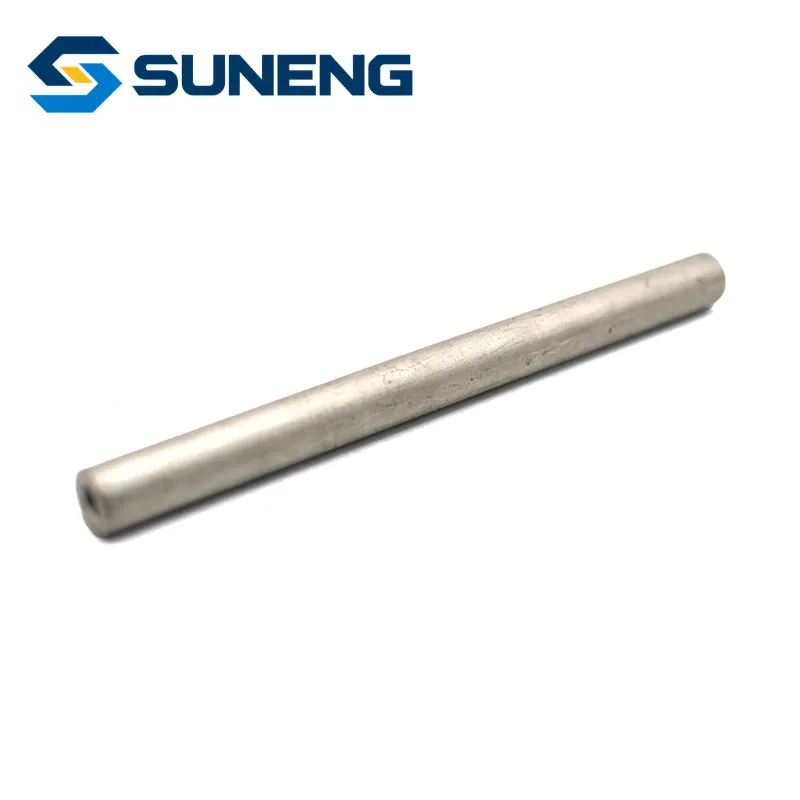
JT Compression Splice Sleeve for LGJ Overhead Conductors
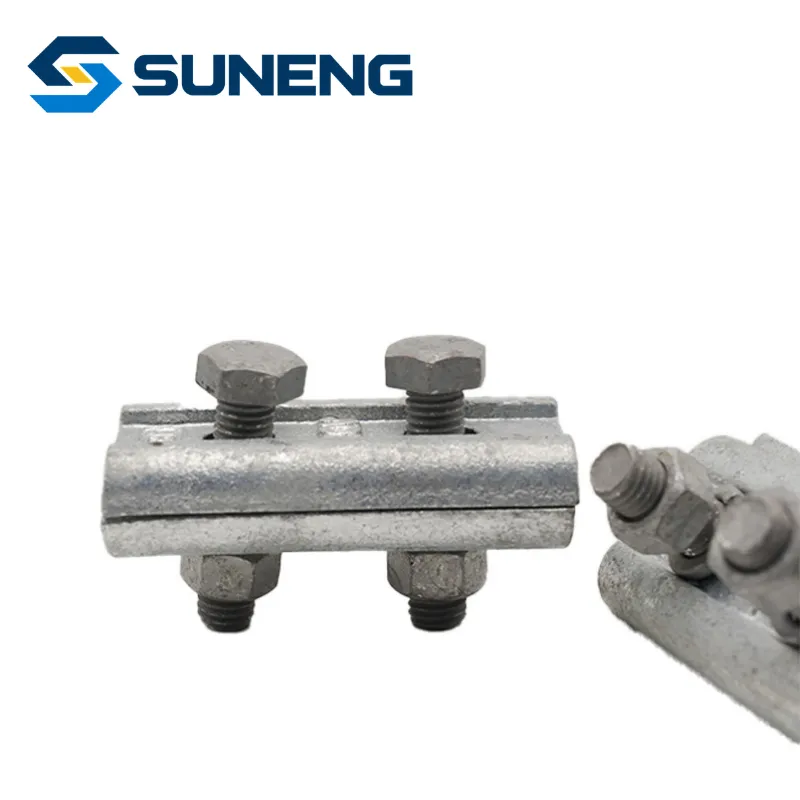
JBB-3 Bolted Parallel-Groove Connector for Overhead Lines
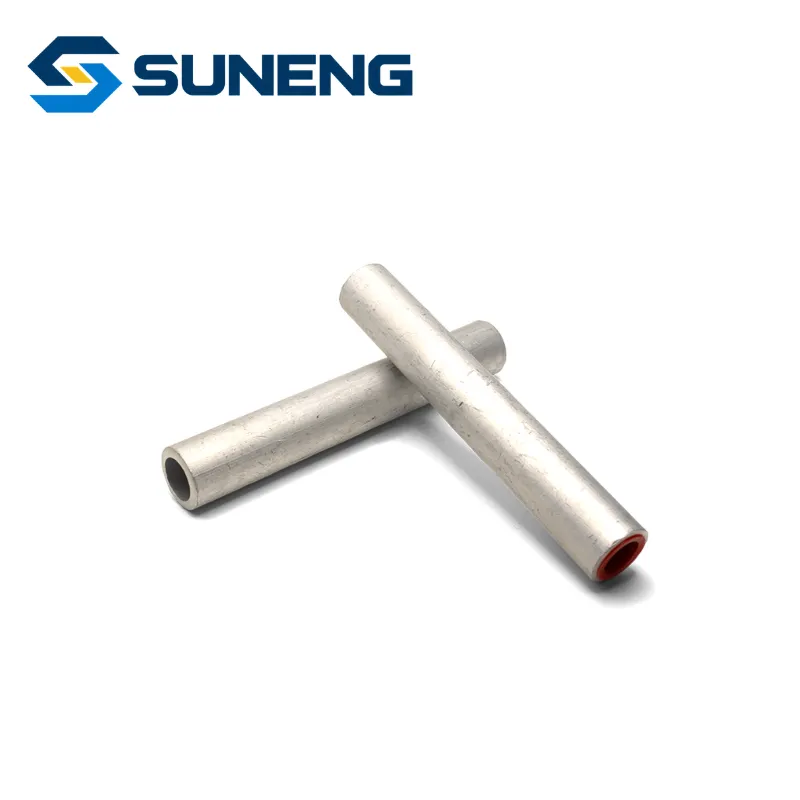
CPC Aluminum Splice Connector Hydraulic Compression Sleeve for Overhead Line
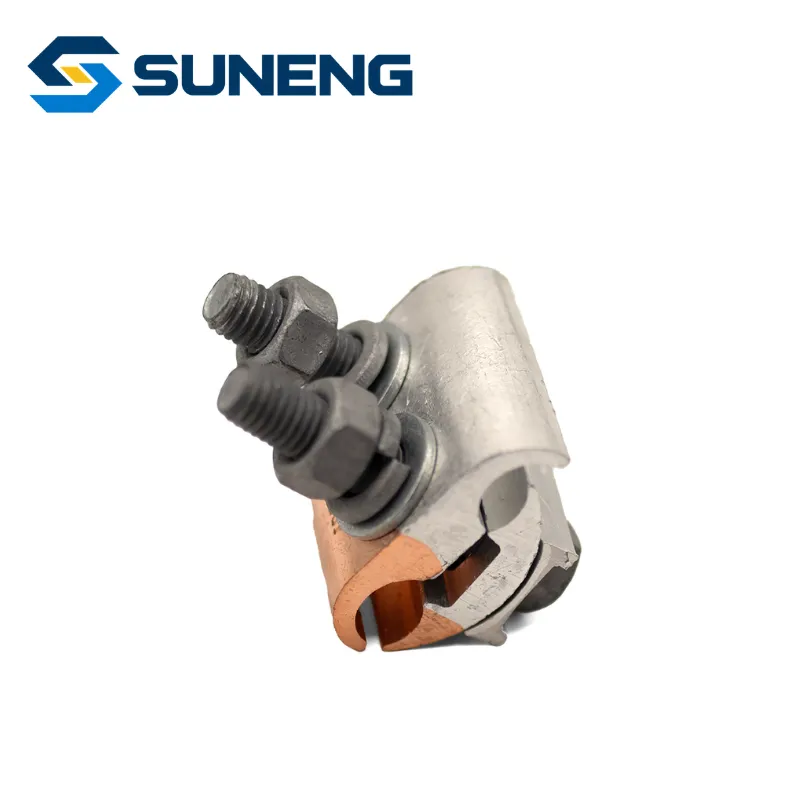
Jbtl-50-240 Aluminum Copper Parallel Groove Cable Clamp
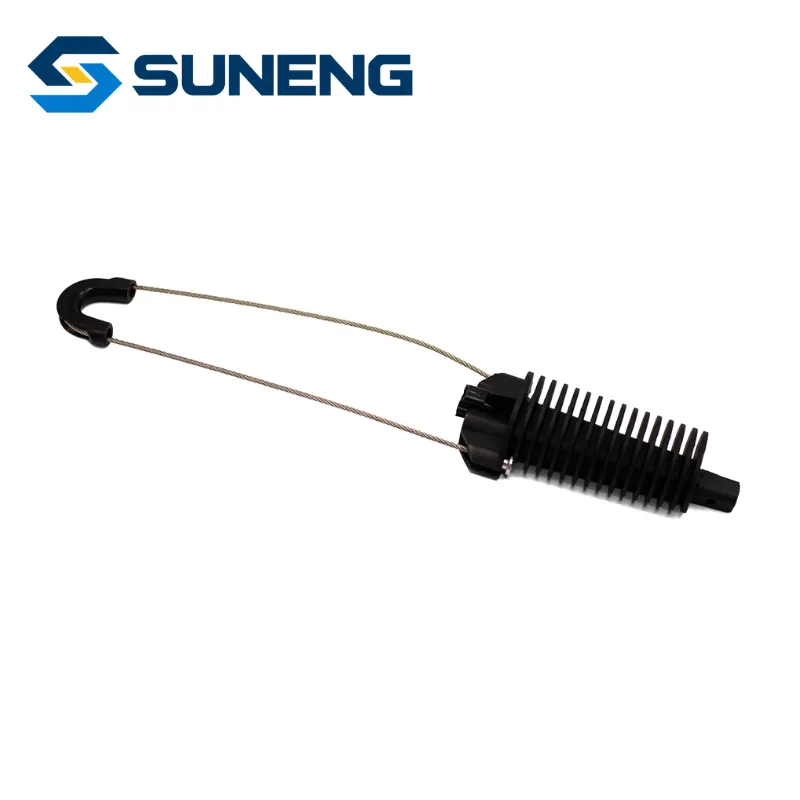
PA Series Suspension Strain Anchor Clamp Tension Clamp for Overhead Optic Line with IEC Standard
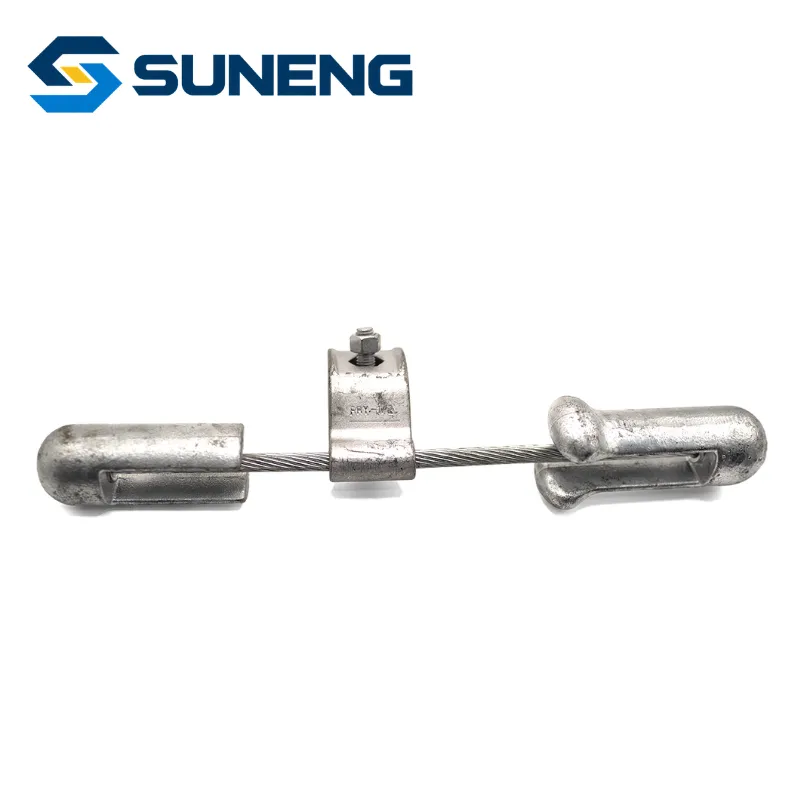
FRYJ-1G Stockbridge Vibration Damper for Overhead Lines
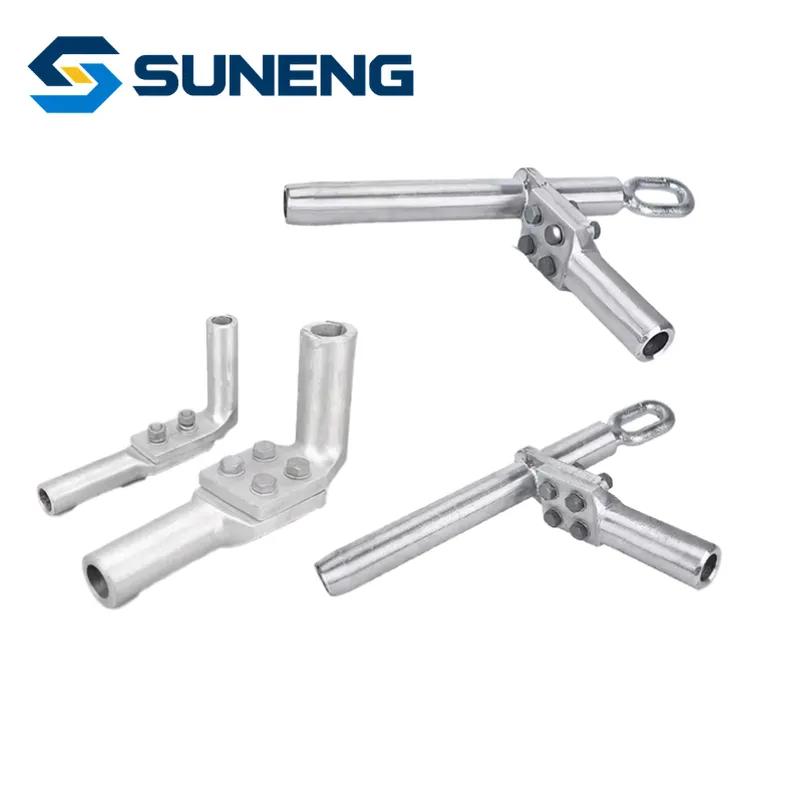
NY Dead-End Clamp Components