A transformer quotation based only on kVA and voltage ratio leaves major project assumptions unresolved. For sites in Central Asia, check the actual elevation, temperature range, loading and installation arrangement early. A city, mountain site and enclosed industrial building in the same country can require different design reviews.
Use one site-condition sheet for every bidder. Ask each supplier to return its proposed configuration, confirmed operating conditions and deviations against that sheet. This makes it easier to compare a standard offer with a project-specific design.
Define the location as an operating condition
Provide the site’s elevation and the ambient temperatures specified by the project, including the required averaging periods where relevant. Distinguish minimum operating temperature, storage temperature and cold-start conditions. Add indoor or outdoor installation, ventilation restrictions, dust, moisture, snow exposure and other conditions identified by the project engineer.
Higher elevation can affect air cooling and external insulation requirements. Low temperature can affect insulating-liquid behaviour, seals, mechanisms and accessories. The required response depends on transformer design and service conditions; ask for a documented review instead of applying a single derating percentage to every transformer.
| Requirement | Buyer input | Response to request |
|---|---|---|
| Site conditions | Elevation, ambient limits, installation arrangement and environmental exposure. | Accepted conditions and any design or rating changes. |
| System | Capacity, frequency, voltage ratio, winding connection, neutral and earthing requirements. | Proposed ratings, vector group and terminal arrangement. |
| Loading | Expected load profile, future loads, motor starting or nonlinear loads where relevant. | Duty assumptions and information still needed for the design review. |
| Voltage adjustment | Required tapping range and whether adjustment is needed during operation. | Tap-changing arrangement, controls and accessories. |
| Acceptance | Applicable specification, loss limits, impedance requirements and tests/documents. | Guaranteed values with stated conditions, verification and exceptions. |
| Installation | Foundation, terminal interfaces, enclosure, access and transport restrictions. | Outline drawing, mass, lifting points and interface dimensions. |
Ask what the offered capacity means at your site
Confirm whether the quoted capacity applies under the supplied site conditions and cooling arrangement. If fans or other auxiliaries are needed to achieve a rating, identify their power supply, control and operating requirements. A nameplate capacity quoted without its operating assumptions can make two offers appear equivalent when they are not.
For a transformer inside a room or prefabricated enclosure, provide the ventilation and layout information available. The outdoor weather report is not necessarily the air temperature around an enclosed transformer. Clarify which party will check the complete enclosure and cooling arrangement.
Separate a replacement from a new installation
For a replacement, send the existing nameplate and drawings as well as the new operating requirements. Check impedance, winding connections, terminal layout and protective arrangements with the project engineer. If parallel operation is planned, identify the other transformer and the intended operating scheme; matching kVA alone is insufficient.
Confirm cable or busbar entry positions, terminal heights, neutral connection and accessible clearances before approving the outline. A transformer can meet the electrical specification yet require costly changes to the foundation or connections if these details arrive too late.
Make the quotation comparison useful
Create a deviation register with four columns: requested requirement, offered value, reason for deviation and approval status. Include the complete accessories list, documentation language, packing, transport dimensions and commissioning support. Compare losses only when the rating, test conditions and specified basis are aligned. Request clarification of broad labels such as “low loss” or “suitable for cold areas”.
Before manufacture, approve the data sheet, outline and agreed inspection plan. Confirm which routine test records will accompany the supplied unit and which additional tests are separately required. Our document-review checklist helps organise that acceptance package.
Start a project-specific transformer enquiry
Relevant SUNENG products
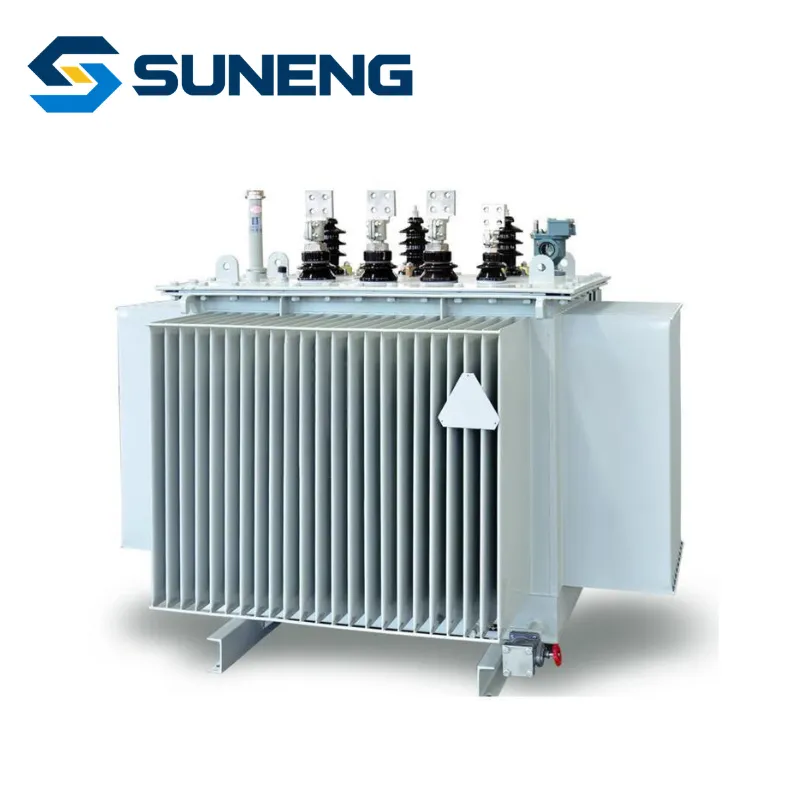
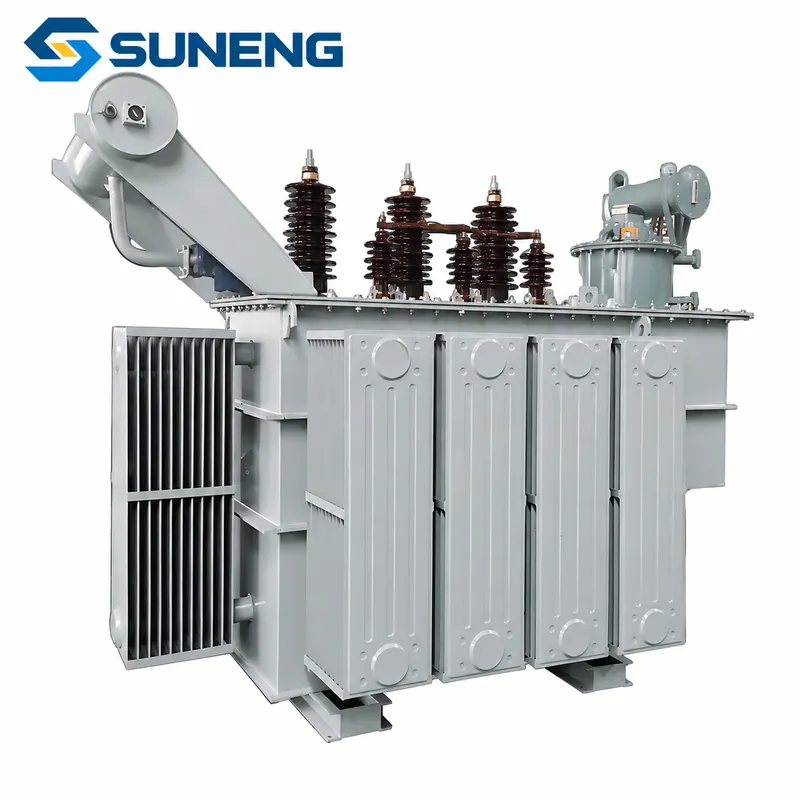
- SZ11/13/20/22-M Series 35kv Three-Phase Oil-Immersed Transformer
- S(B)11/13/20/22-M Series Outdoor Using Three Phase Oil Immersed Distribution Transformer
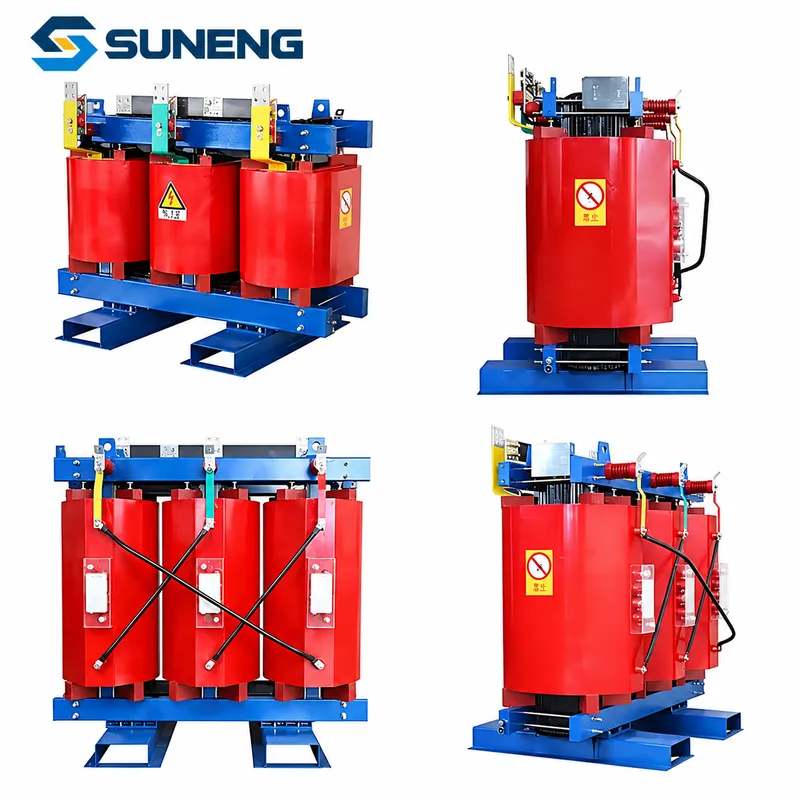
- SCB11 Series 10kV Three Phase Dry-type Power Transformer
SUNENG supplies transformer configurations and associated electrical components for project requirements. Send the site-condition sheet, electrical duty and installation drawing. Mark missing inputs so the quotation can identify what is confirmed and what still requires engineering review before release.