

Quality Control
Quality Control Process
A product is only suitable when its specification matches its application. We clarify what must be verified before sampling, production or delivery, rather than treating one certificate as proof for every item.
The inspection and documentation scope depends on the product and the order. Applicable standards, acceptance criteria and required records should be agreed before the order is confirmed.
Requirements
Application, standards and acceptance criteria.
Materials & dimensions
Specified materials, key measurements and interfaces.
Sample review
Drawing revisions, fit and agreed validation.
Order inspection
Checks and records defined for that product.
Delivery review
Identification, packing and agreed documents.
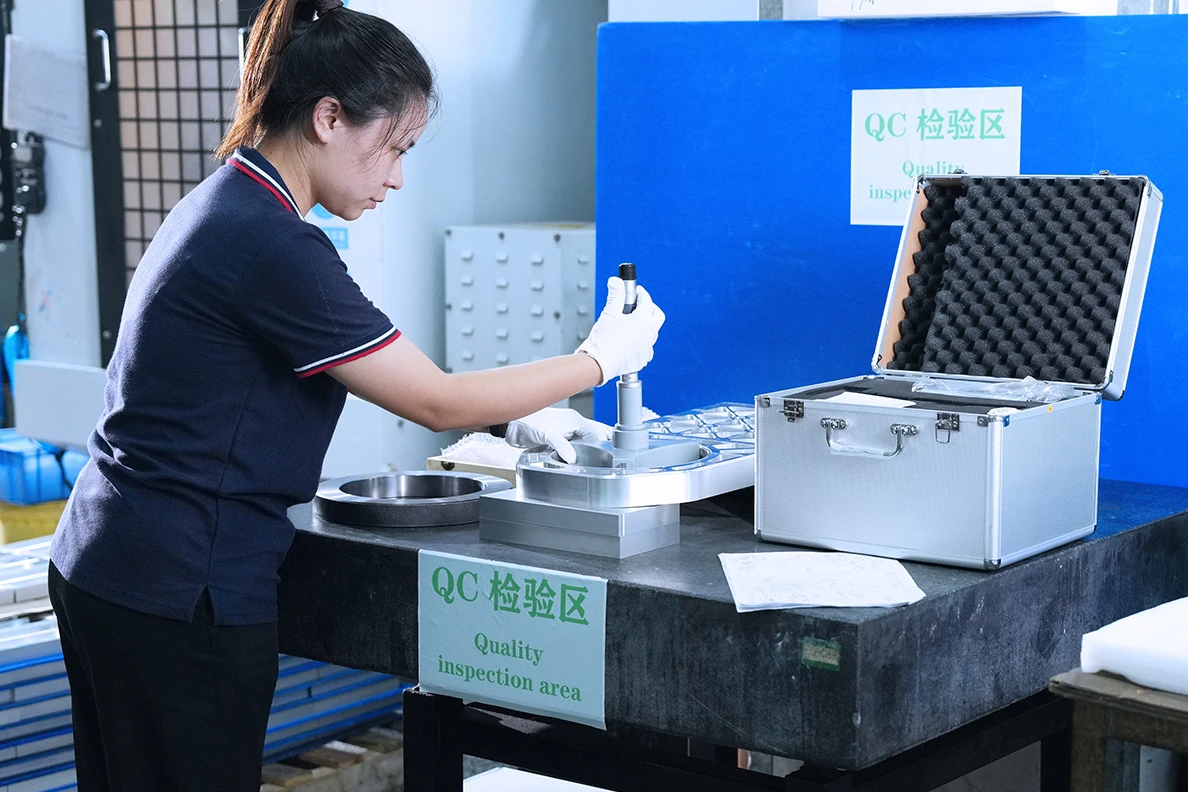
Define what matters before it is made.
For a custom component, a small difference in a hole position, contact surface or installation envelope can stop an assembly fitting. Identify the critical dimensions and interfaces early.
Material requirements, tolerances, drawings and sample revisions should be part of the confirmed production information. A shape sample can support a fit discussion but does not demonstrate electrical or mechanical performance.
See the development approach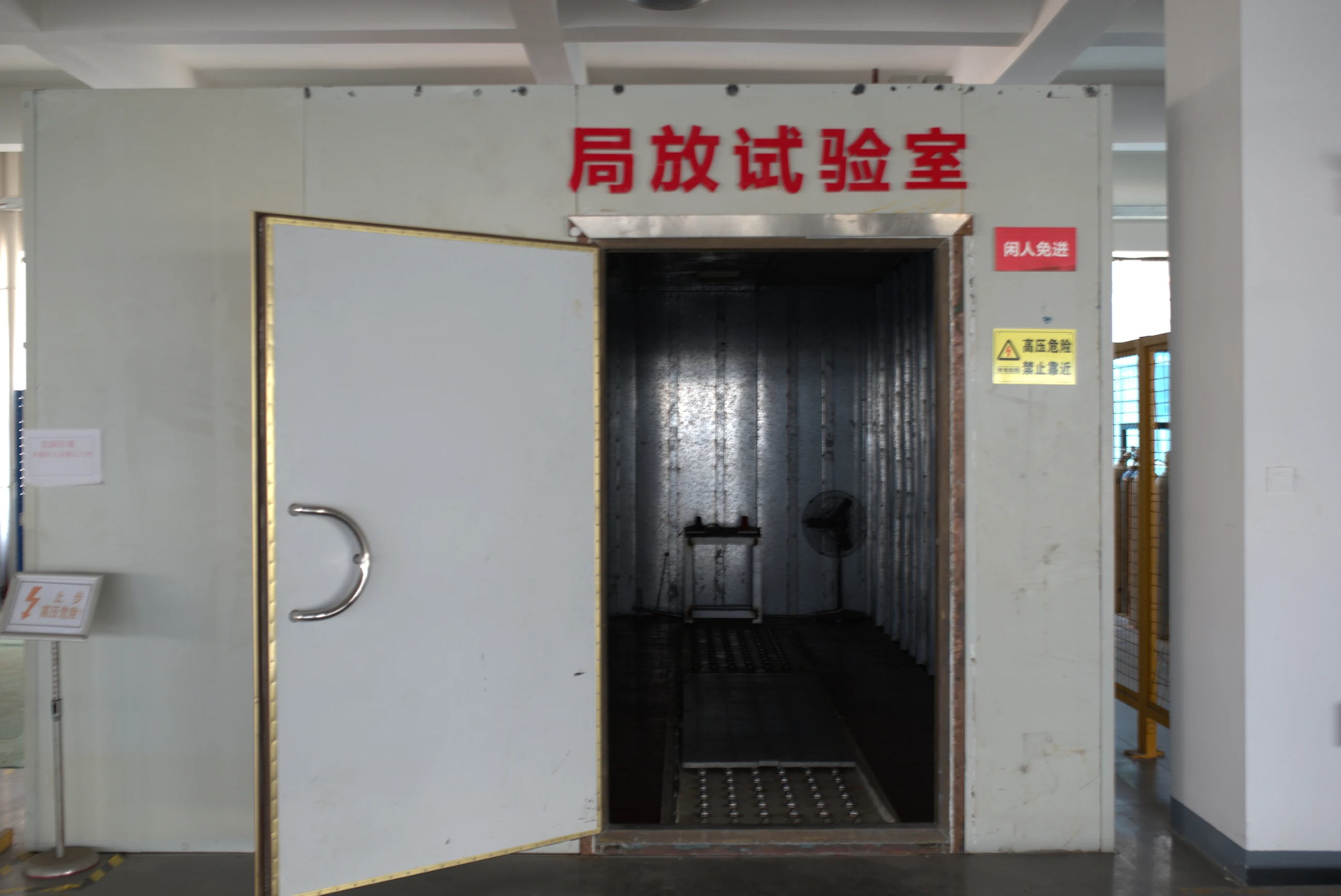
Match the checks to the product.
Electrical equipment, insulators and connection components do not share an identical verification programme. Let us know the applicable standards, site conditions and records your project requires.
We discuss the inspection scope and available evidence for the proposed product. Where additional validation is required, its method, timing and responsibilities need to be confirmed for the order.
Review available test records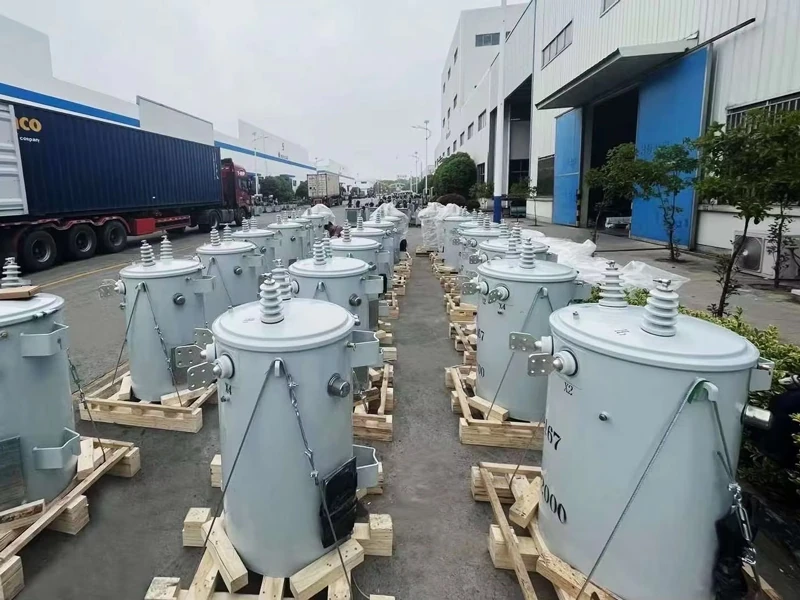
Check the delivery, not just the component.
Confirm the product identification, quantities, packing requirements and destination before dispatch. Drawings and agreed inspection documents should match the supplied model and revision.
For a mixed product order, an agreed document list helps make receiving and installation checks more straightforward.
Explore manufacturing and dispatchTell us what you need to make.
A drawing is useful. Your application, installation dimensions and performance requirements are enough to start the discussion.